Oh, I believe it! There was a post on here just the other day about a ball python biting anything and everything thinking it was food. There’s always a few naughty ones. 
3 Likes
If it is the post I believe you are talking about, this girl had been re homed at least once maybe twice in 3 years and yes she was very bitey after being switched from ft to live. Before being switched to live the op claimed she was very sweet and calm. But there was a couple of other extenuating circumstances that could have contributed to her grumpiness. She was being kept way too hot in addition to having mites on board.
Of course as Travis said, ball pythons can have an attitude just like any other snake. But I believe his is one of the exceptions to the rule.
2 Likes
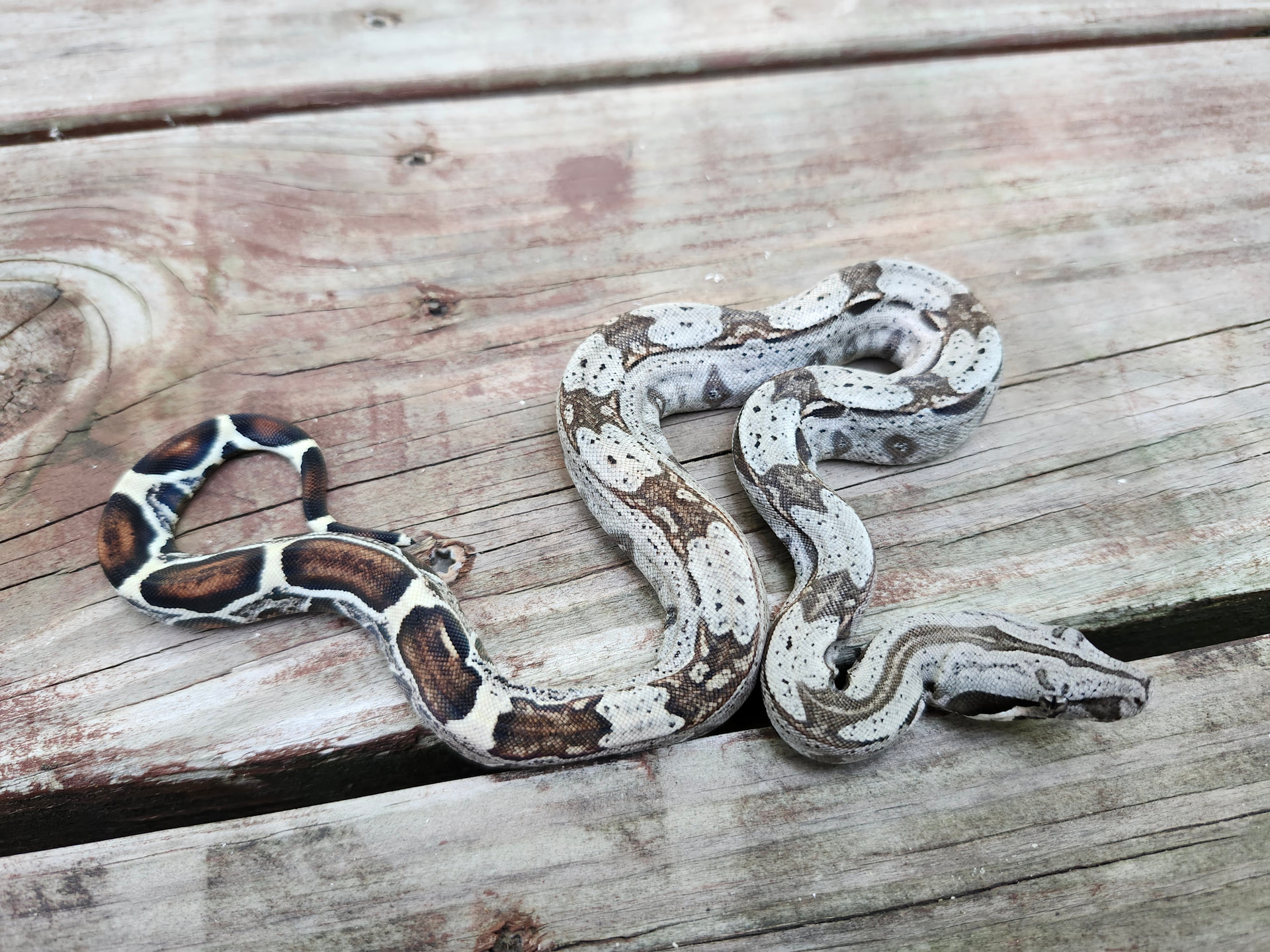
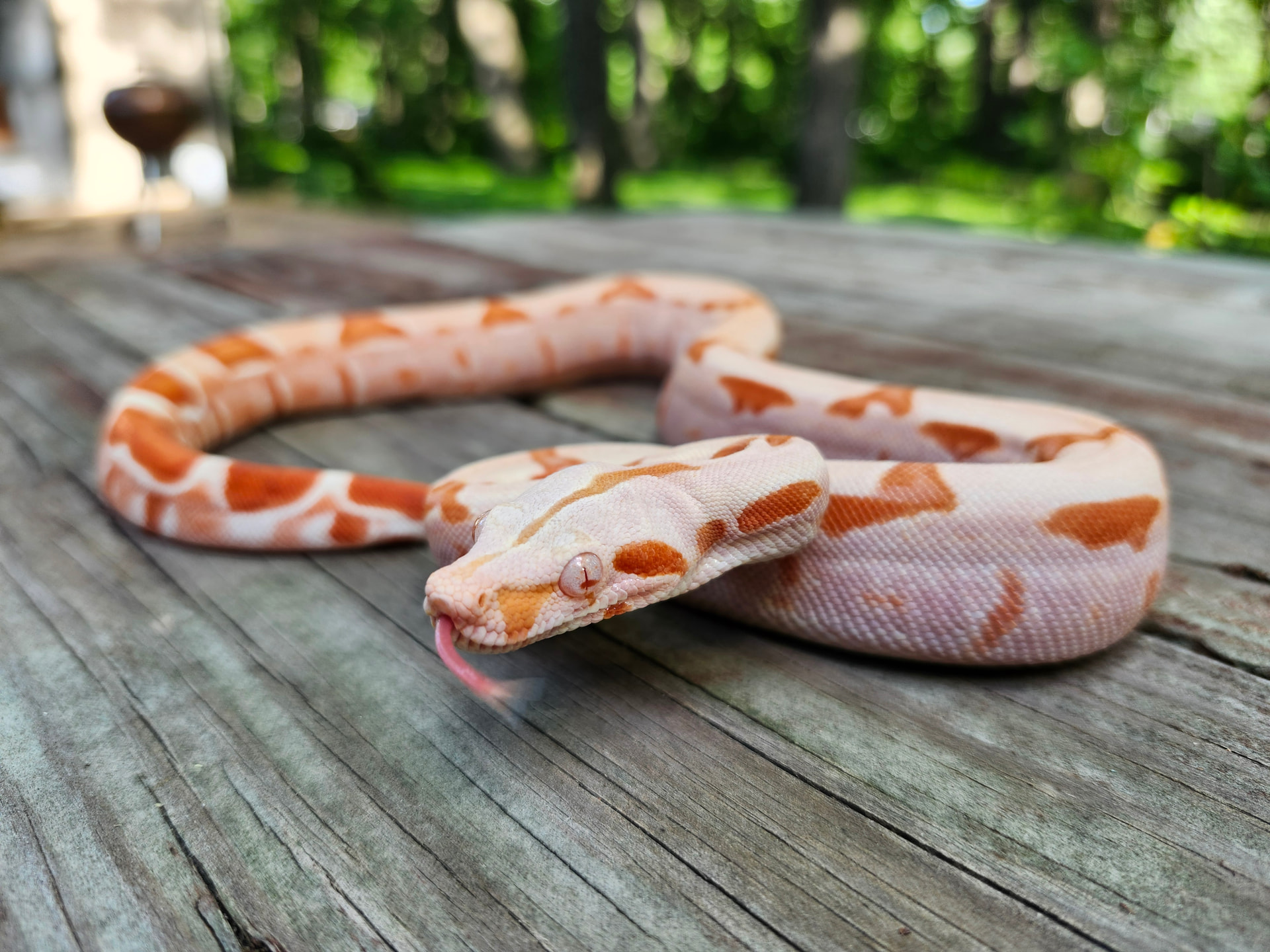
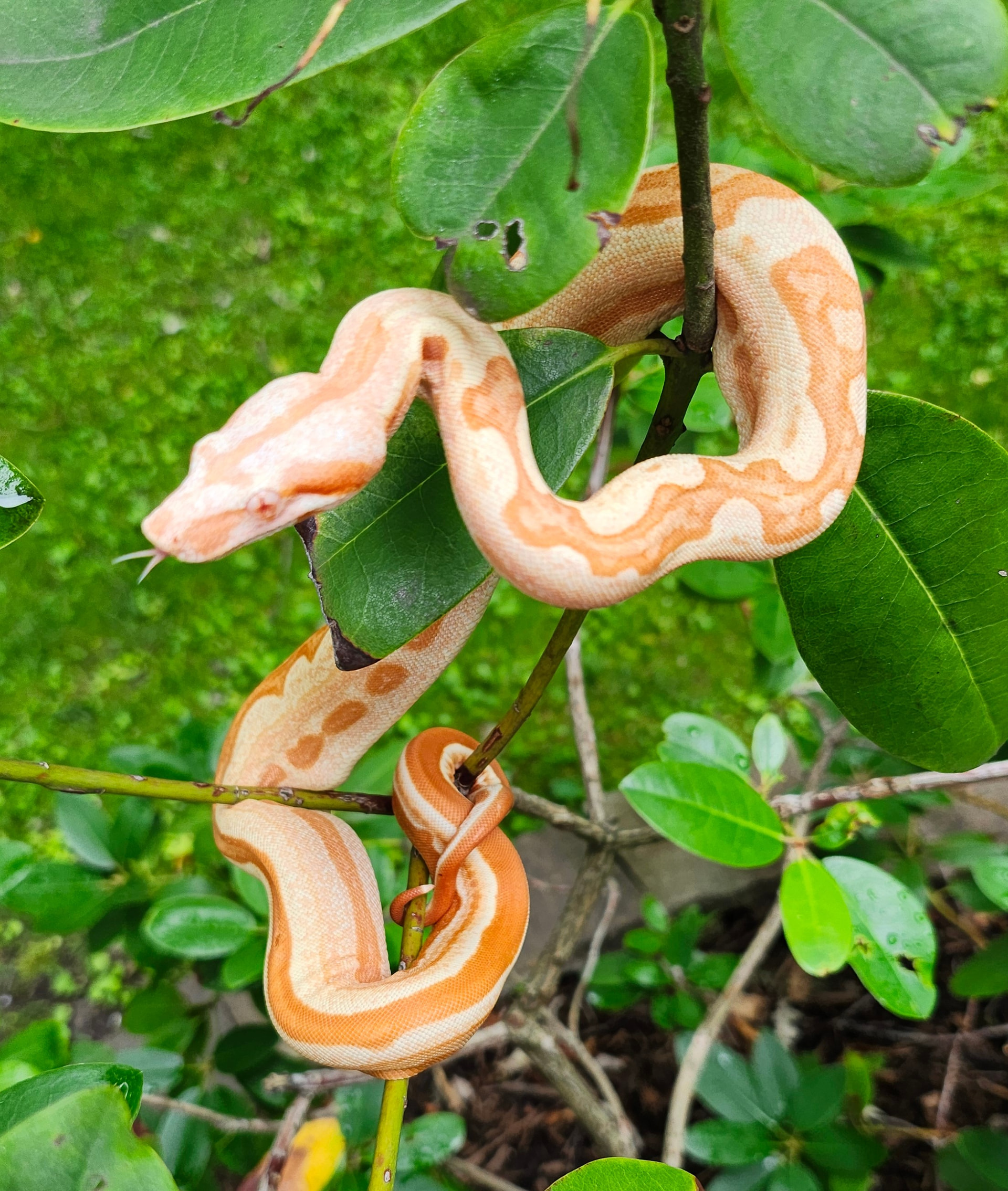
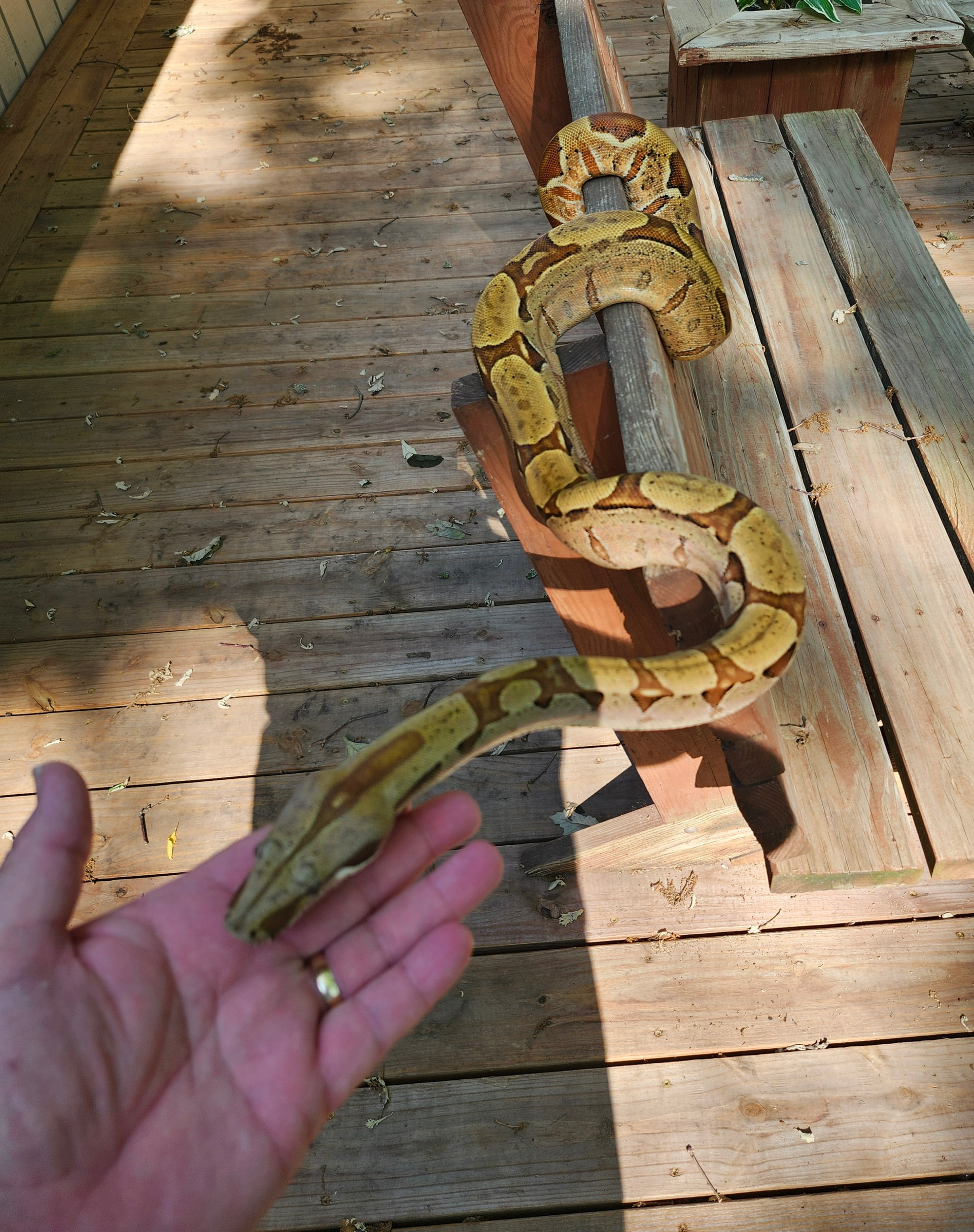
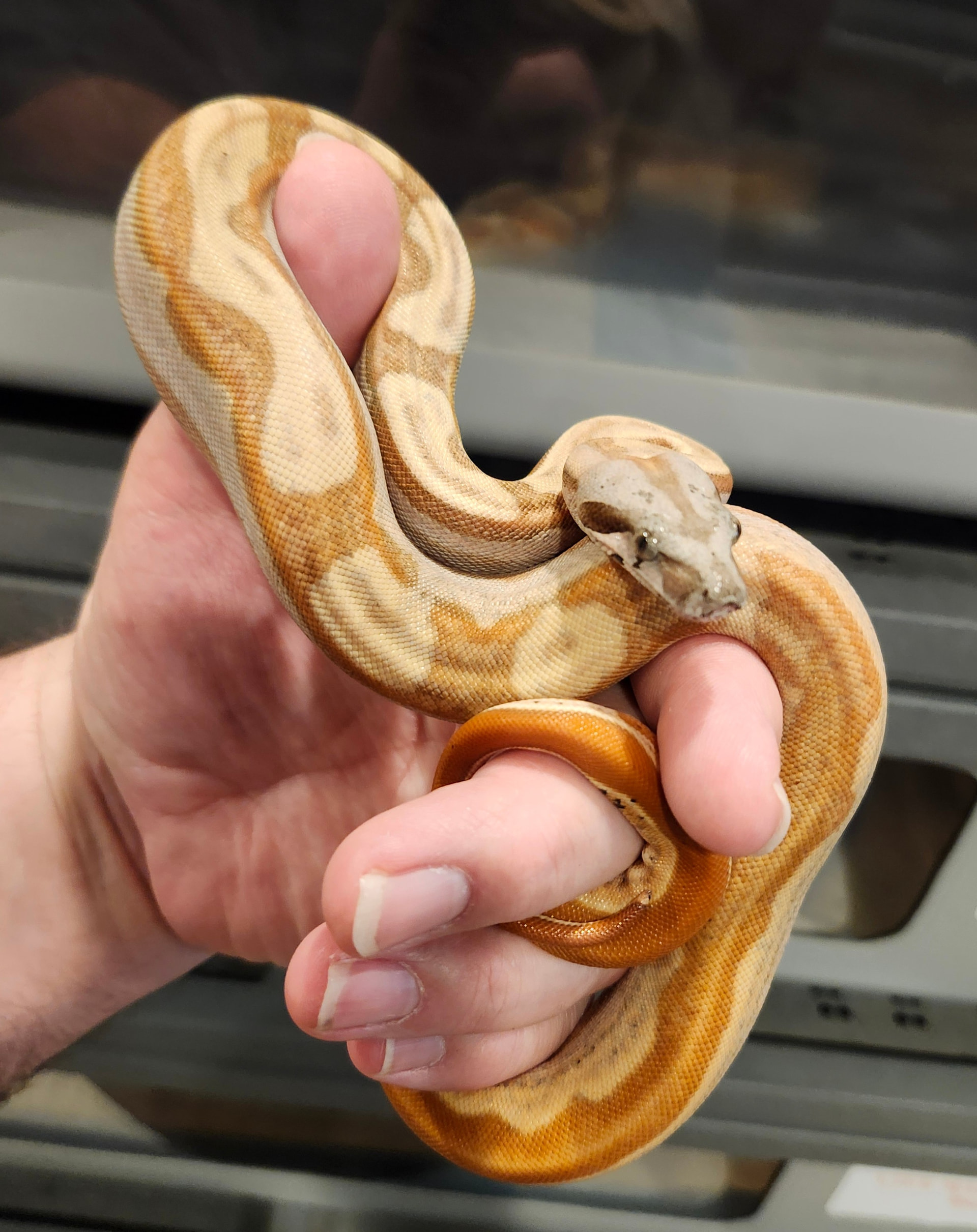
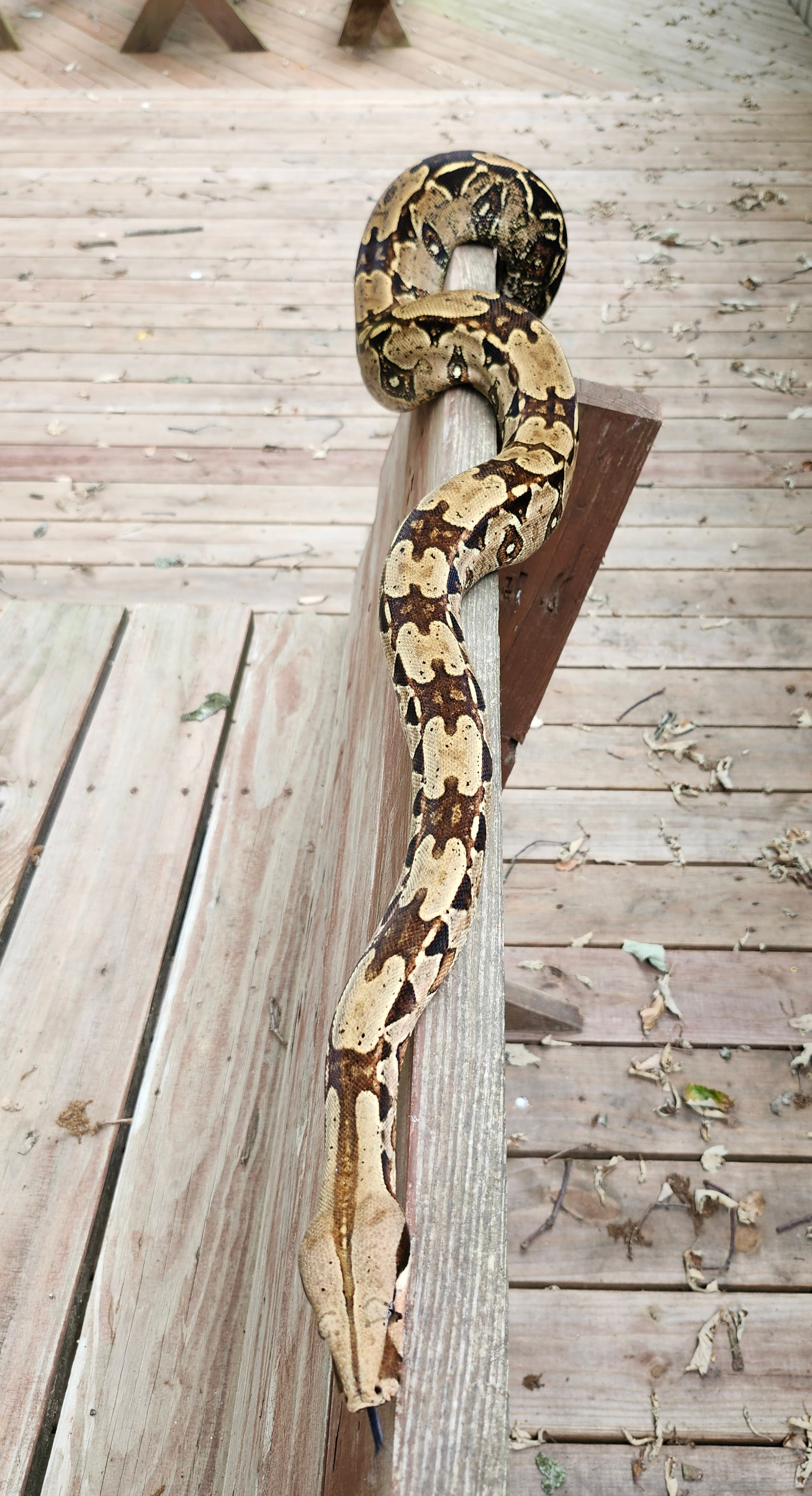
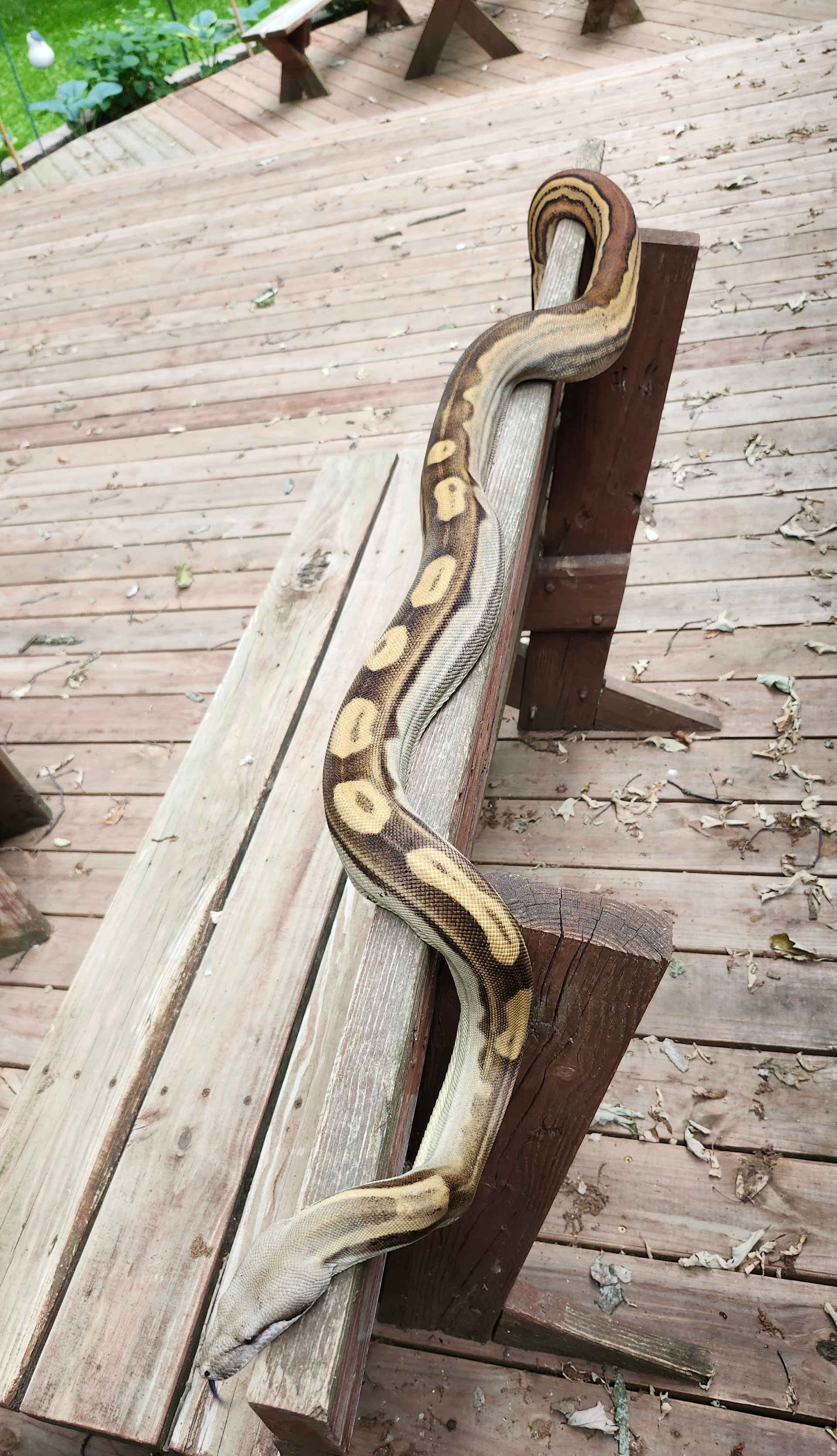
You can’t go wrong with a boa. In my opinion boas are the best pet snake out there. I have owned boas since 1976.
In my opinion Colombia BCI boas make the best first pet boa.
I personally like Northern Brazilian BCC and Southern Brazilian Amarali BCA. I also like BCI sunglow motley jungle morphs.
I personally don’t like most dwarf boas.
Most of the smaller dwarf type boas are naturally more aggressive, in my experience. So they take a little time to tame down. Most will tame down but I will never trust them 100% like I do with my BCI, BCC and BCA boas. I know BCA’S do fall in the dwarf boa range but they are at the bigger end. My BCA are all over 6 almost 7 foot.
In my opinion new boa owners should not buy an adult boa. Most adult boas that are for sale are old breeders or problem boas, such as sick or aggressive boas. None of them are good for first time owners.
New boa owners should buy a baby boa or a 1 year old so you and the boa will grow up knowing each other habits and tendencies.
Do a little research first on their care and what type of boa you like. Such as morphs or pure locality boas. They come in a variety of colors and patterns. They can live 20 to 30 years and female boas get bigger than males. Depending on what locality boa you get they can get 6 to 12 feet. However some localities can get bigger but it rare. Dwarf localities get 3 to 5 feet.
Most male BCI boas top out at 6 to 7 foot and 15 + lbs when they are adults. I would get a baby boa, don’t buy a adult one. This way the boa will grow up with you. When it’s adult it will not be afraid of you. Boas will associate you and your scent with a safe place and be very comfortable around you.
Boa constrictors can make good pets for the right owner because they are generally calm, long-lived, and relatively low-maintenance once their habitat is set up properly.
Also captive-bred boas often become quite tame with regular, gentle handling and are less prone to defensive behavior. Hook training helps with this. Start this from when they are babies. Gently tap there head or body with a snake hook. Every time you go to take them out of there cage or cage cleaning day. Don’t use the hook on feeding days. They will associate the cage opening and hook training with interaction with you and tolerate handling well and can become calm, predictable pets when socialized.
There are a lot of people on MorphMarket selling baby boas. You should be able to find one you like. Just be picky and get what you like best.
I personally would not worry about the size of most boas. But if your concerned about the boa getting too big just don’t get the ones that can get over 10 feet. However even they can be gentle giants. I still think the best boa is the BCI Colombian for a pet. They are tame and easy to take care of.
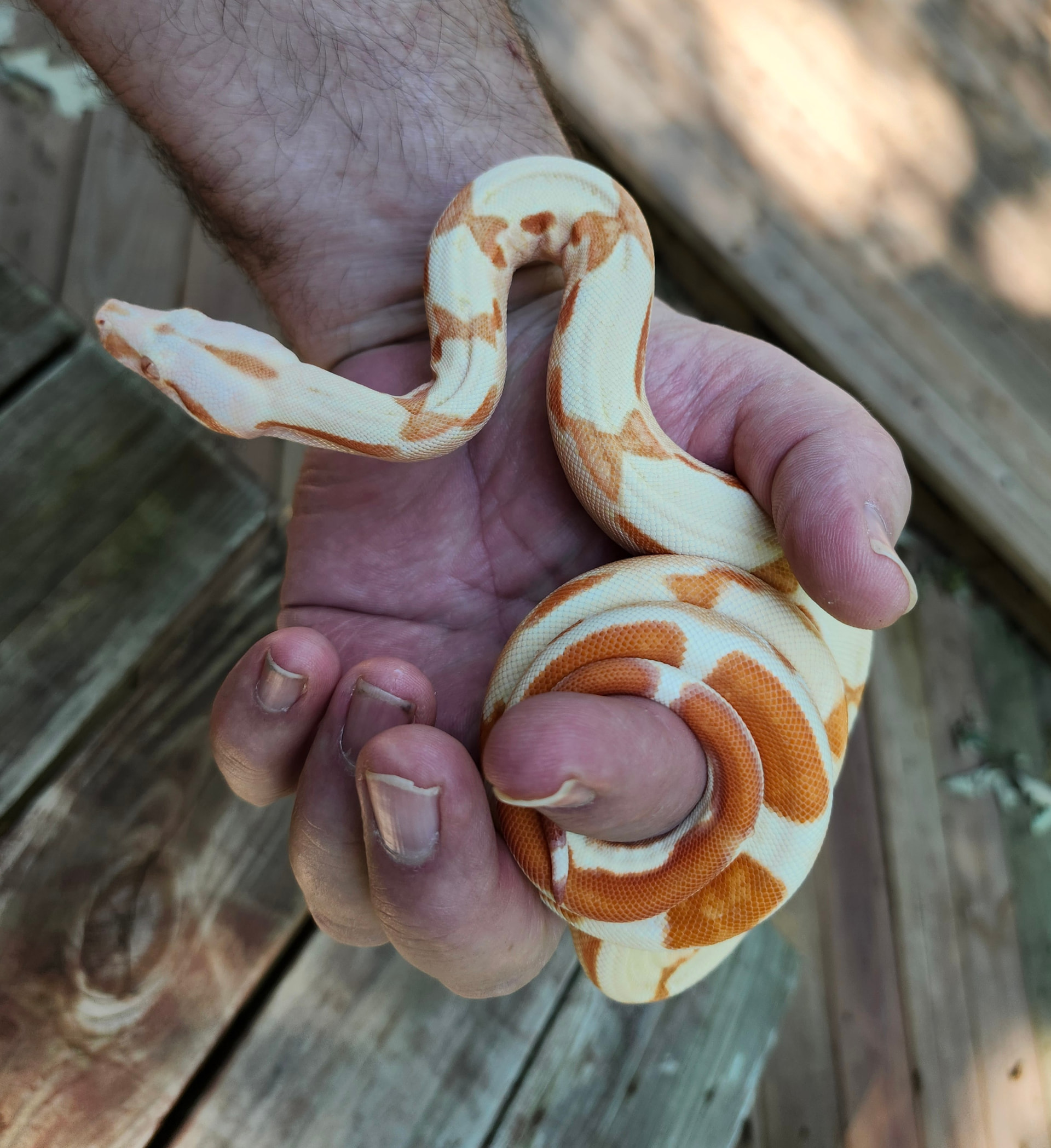
Just get the type you like the look of the best. Morph or pure locality boa, but get a baby or a 1 year old. This way as the boa grows to adult hood you will not be scared of it and the boa will not be scared of you. Baby boa learn quick that humans are not a threat or food source with proper handling. Even my 8 foot, 30 lbs boas anyone can handle.
I tell people all the time get the snake you like best not what snake makes the best first starter snake. Most people only want 1 or 2 snakes. I find if you start with what you like best you will take better care of it. If it’s not the snake you really wanted some people neglect the care of the snake a little.
If you can find someone with a collection of boas near you just go see if you can handle some babies and adult boas. I think most people will be surprised at how easy a big boa is to handle.
All snake have a very good scene of smell and they learn what is a food source and what is not. They do know human scent is not a food source and I believe my snakes think the same about my dogs after sometime. When I first got Tigger my retic she would follow my dogs around the room when they went near her cage as if she wanted to eat them but after about 6 to 8 months she did not do this any more. She does not even give them a second look any more. There dog hair is all over the house and me sometimes. So I believe all snake big or small do get use to having cretin scents around and consider them safe and not a threat or a food source. I have also noticed my boas and pythons seem more calm around me then when someone else is holding them. I also believe they can tell the difference between humans by are scent. They are smarter than most people think.

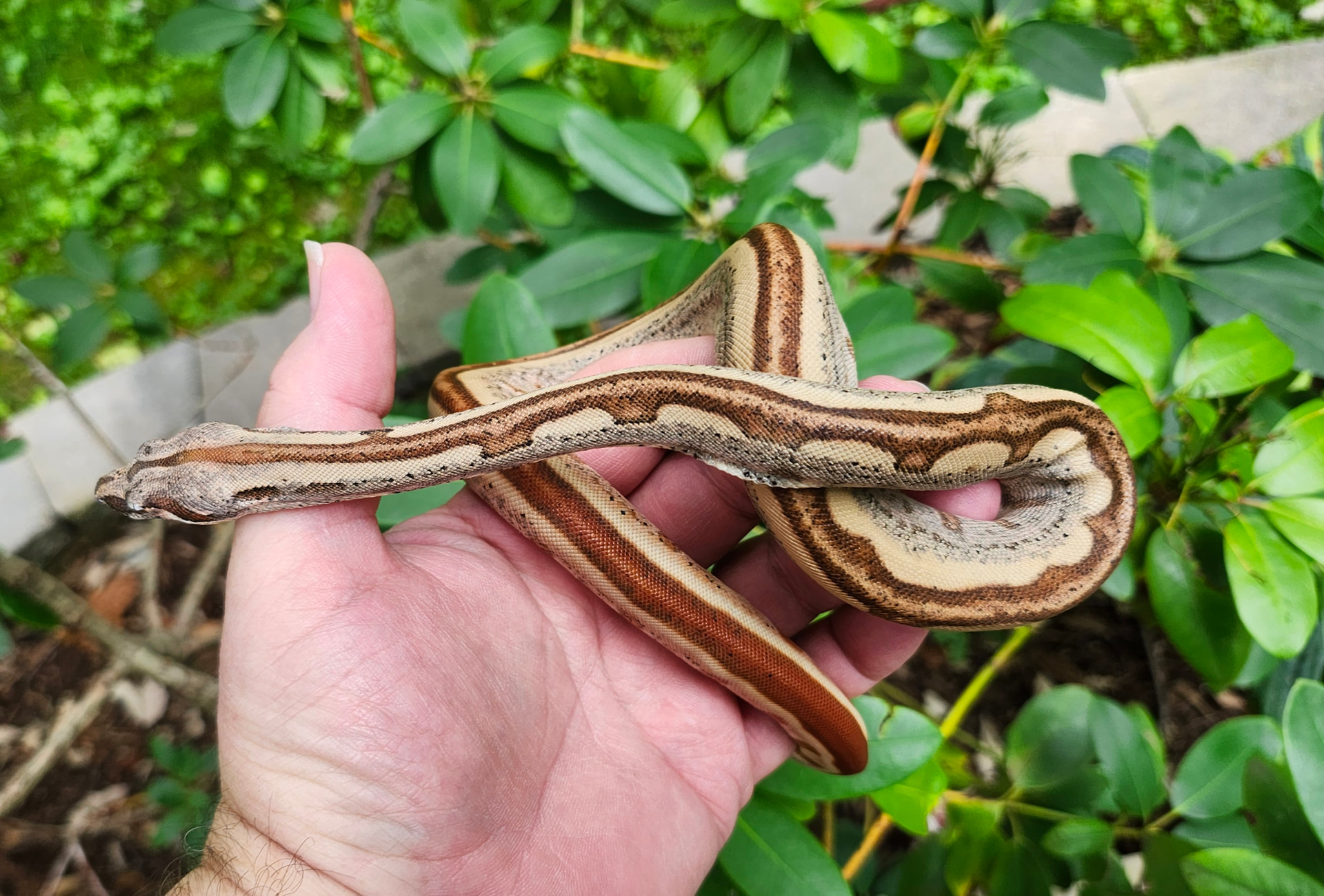
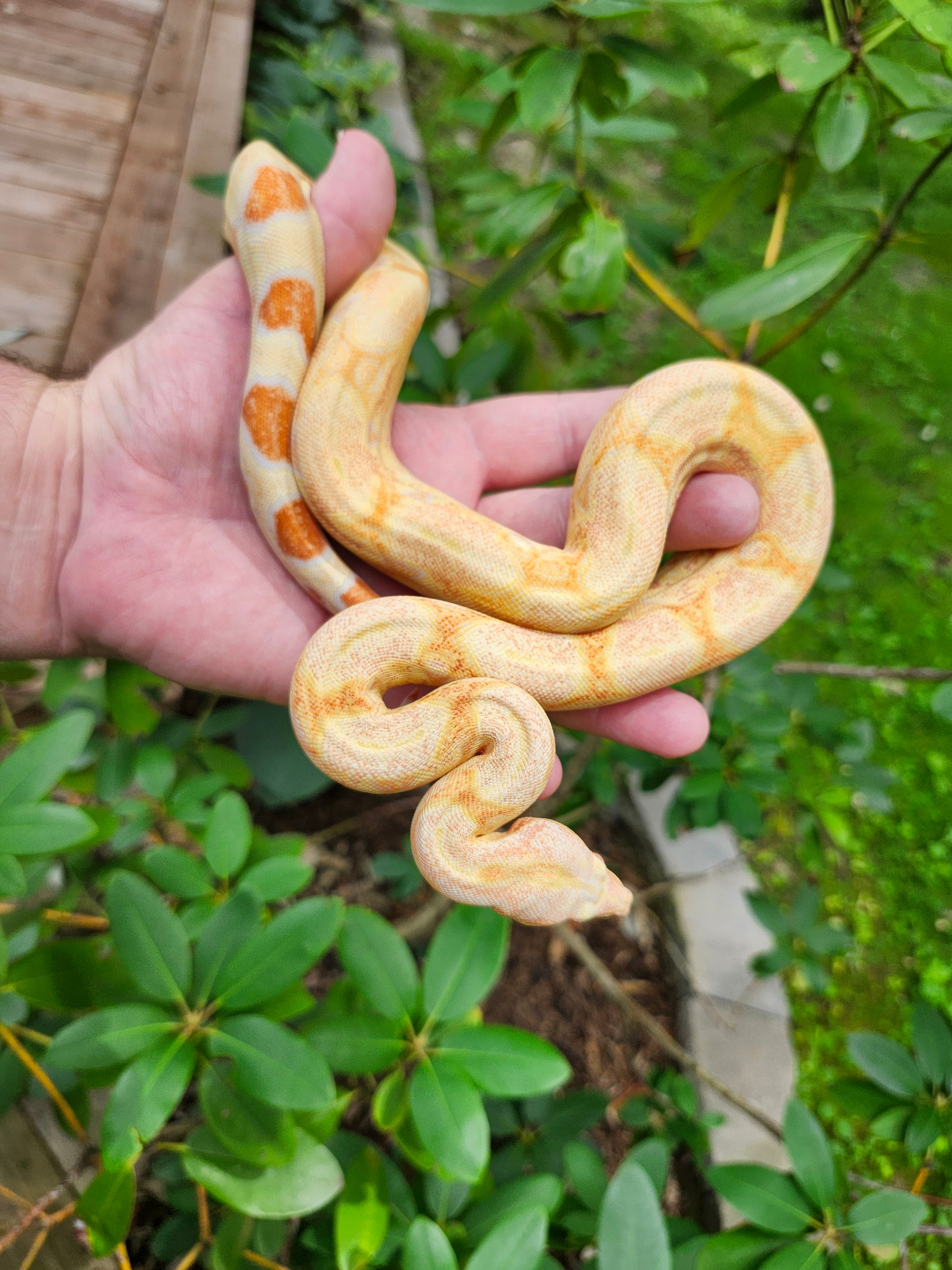
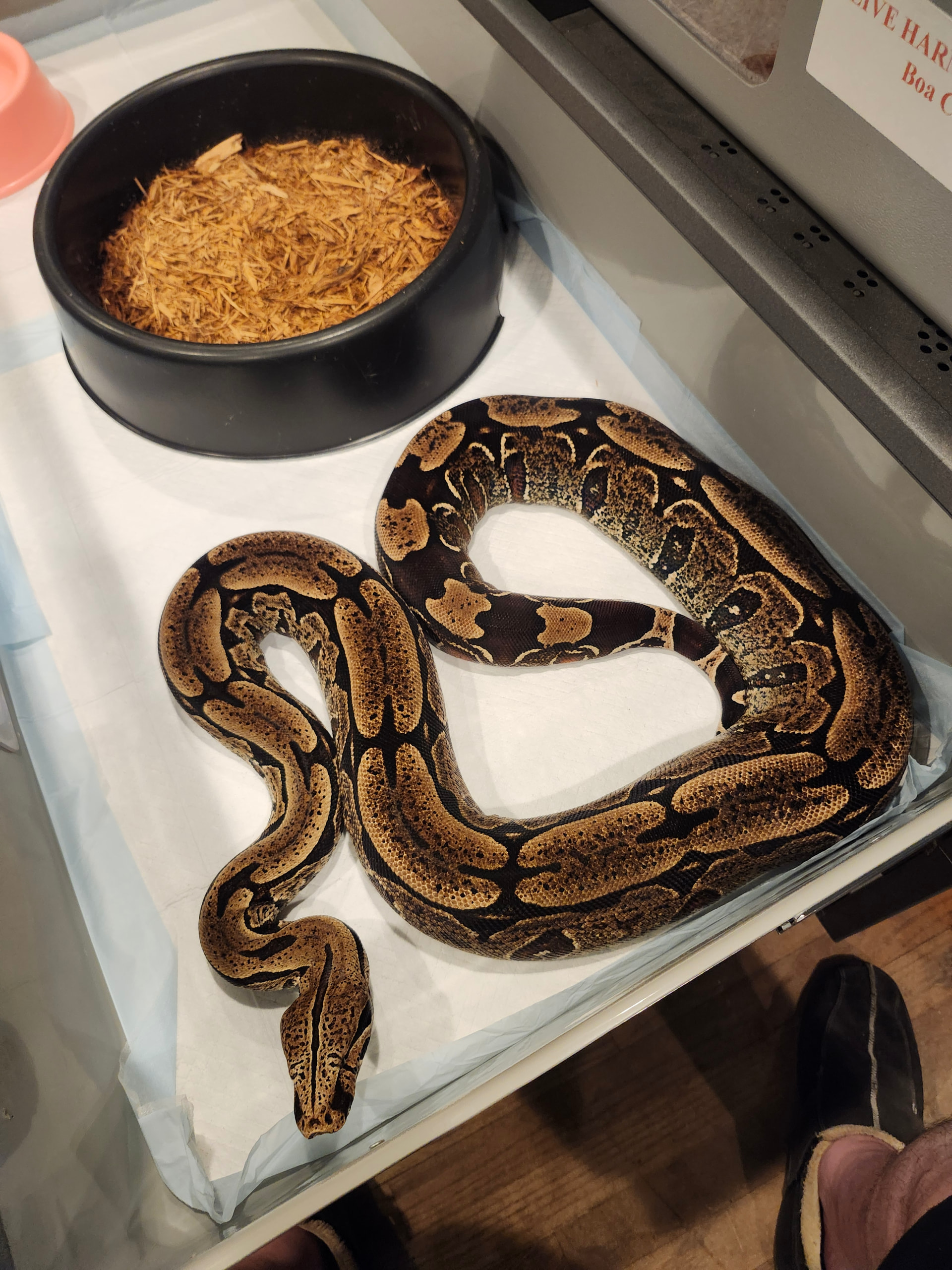

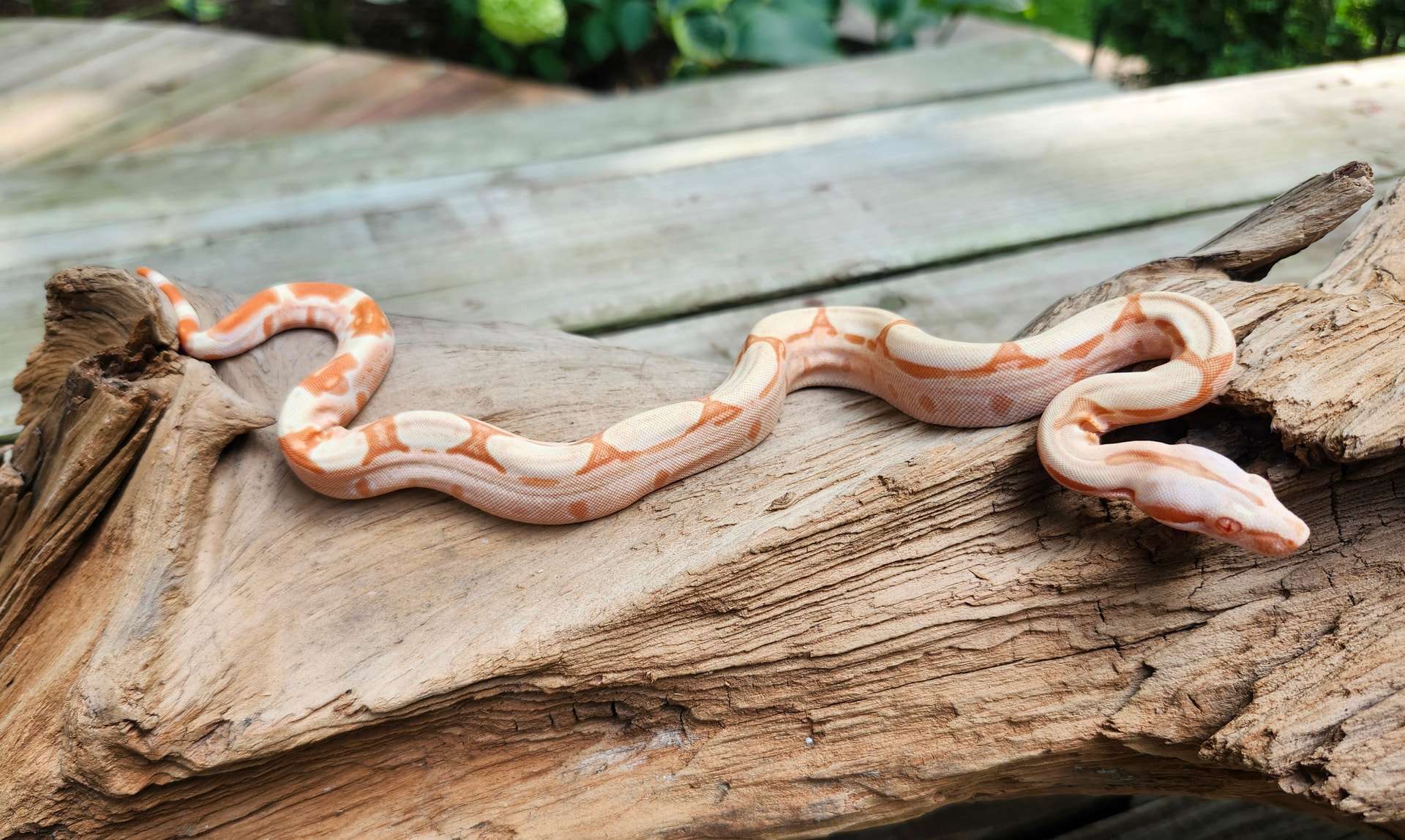
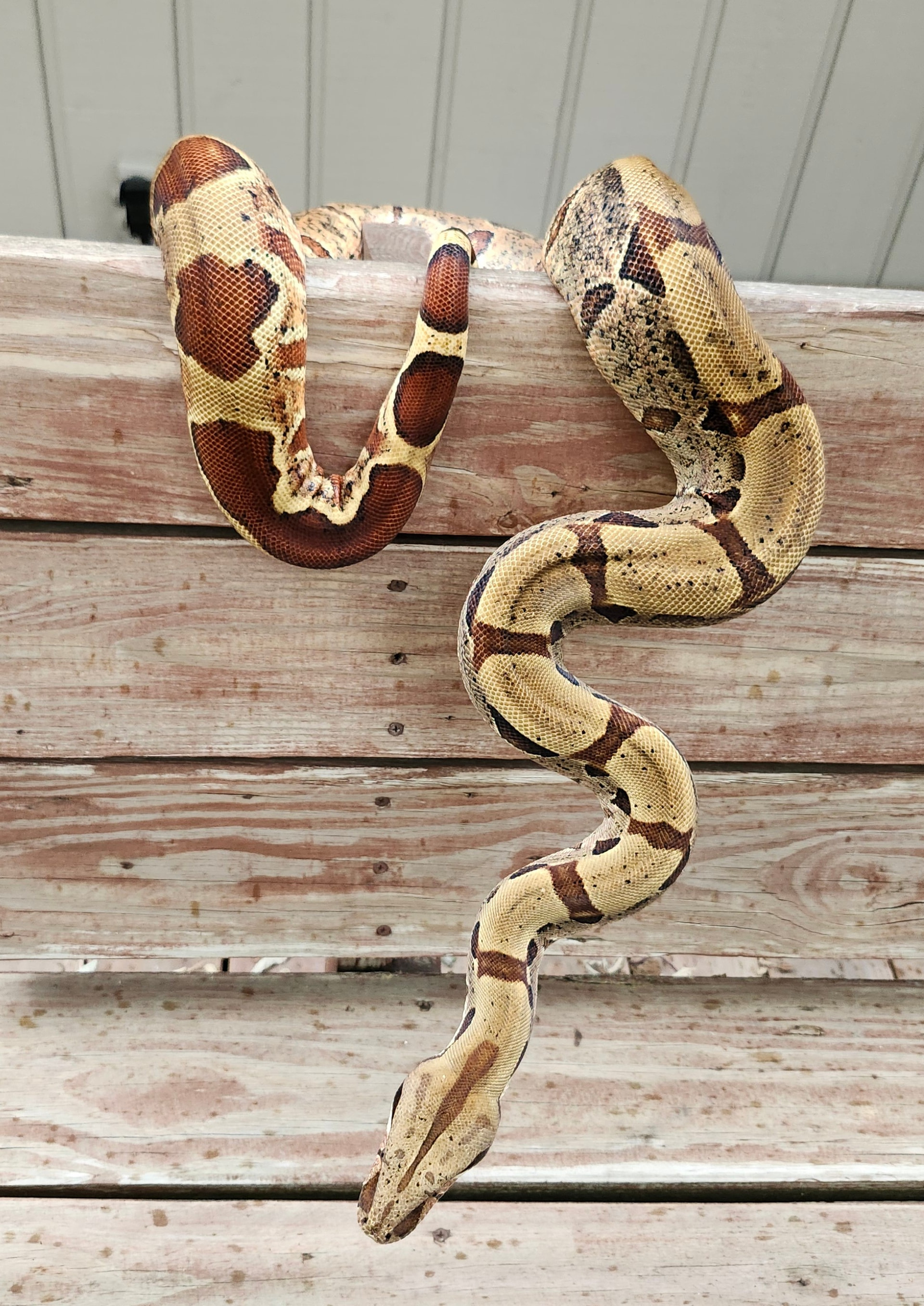
4 Likes
I knew it was only a matter of time before you popped in here with the hard sell on boas.
3 Likes
I have more than one rosy boa that will strike and constrict body parts, clothing, and often enough water bowls and hides that are being replaced (It’s moving? Must be edible!). Sometimes when held low by my side they’ll grab a leg and wrap it. Slathering on hand sanitizer isn’t a reliable defense, to head off one common recommendation. I have one hognose that will also chase down any motion in her enclosure that’s associated with me, but I’ve not allowed her to connect so don’t know how far she’d go.
I’ve failed to detect a reliable connection between scents on hands and food-related bites over nearly 20 years and many hundreds of snakes of a more than a dozen species. I think it is probably relevant in some cases, but many claims about this are certainly parroted rather than derived from personal observation of patterns with enough variety that they can be safely generalized.
Many of them, maybe. I raised up a pair and bred them to experience maternal incubation (another shamefully ignored thing in the hobby, enrichment and all getting so much airtime), and they were among the calmest, most reliable snakes I’ve kept (yeah, I know never to trust any animal). The hatchlings were wicked little guys, but it was apparently all defensiveness that they were too young to unlearn by the time I sold them. I’ll wager there’s some environmental conditions that play a role in this (too warm, too dry).
There are definitely some behavioral tendencies that we can safely peg to species to varying degrees, but any universal claims about some taxon are often less reliable than one might suspect.
4 Likes
I cannot take credit for it as I saved it years ago, but it is a great visualization
.
.
.
Fully agree on the black milks. My girl is one of my number one animals to pass to people that want to try holding a snake but are worried about a bite. She has never bitten me or even tried, not even with an over enthusiastic food response. If she even thinks your hand is there she just sits and waits until there is a clear line on food
.
.
.
John brings up a fantastic point. I was leaning toward saying similar but I erred not to because very frequently, rarer means higher price and in my experience most new comers would prefer to spend less on an acceptable specimen of one of the popular species to cut their teeth on than to spend more on what might be the perfect rare animal
But if price is less of a consideration, we can definitely add a lit more to the list of potentials
.
.
.
Yes, very naughty. The entertaining part for a couple of these girls is that, once they are out and realize it is not food time, they are some of the most timid animals I have
.
.
.
Solid facts there! Anything and everything we all have to say here is painted with a very broad brush. The key is, and will always be, the individual animal and learning its behaviour.
2 Likes
By coincidence I was cleaning tubs this morning and without thinking about it being close to feeding day my sweet rosy boy took my moving hand for a beloved ft hopper and zap! He got me! And again after I picked him up! But he apologized! 
2 Likes
To be clear, I wasn’t saying that any of the listed species were aggressive or “mean,” just that they tend to have a strong feeding response, which can make bites more likely, especially for a beginner. I have an adult female blood who is absolutely lovely and not defensive at all. But she does like to eat, and I typically don’t reach my hand in her enclosure without touching her with a snake hook first. Most of the time she actually taps down a lot more easily than my boa (who is also sweet as pie once she’s out, but her prey drive is….intense).
That’s super cool that you maternally incubated a clutch of bloods, that sounds like an amazing experience. I wish maternal incubation was more commonly utilized in captivity.
Totally agree.
2 Likes
That’s true, of course, and well worth noting. I was thinking of the sorts of species that aren’t rare because they’re high end but because they’re (considered to be) low end, or old news, or just no one knows about them yet. Arizona mountain kingsnakes were in my mind as I wrote that above, and they’re ridiculously underpriced lately (for a while now). And even though something like a rubber boa isn’t exactly cheap, the difference between that and a ball python that’s half the price is the rubber boa is going to be worth more than you paid for it probably for most of it’s 40 year life, and the ball python will be near impossible to rehome at any price. And the rubber boa has more “chill dude to hang out with” mojo than ten snakes of any other species.
5 Likes
The thing to accept is that snakes are long lived animals. Multiple decades long.
And you absolutely will get bitten within that period.
I have a 4 year old male Boa constrictor imperator (aka Boa imperator) who I’ve raised from 6 weeks old. He is the most chill snake you’ll meet.
However, he has bitten me twice. Once as a baby and once the other week where he latched onto my bicep during a feeding response. It wasn’t pretty.
But this is a reality you will have to accept if you want to keep snakes. Similar to being scratched by a cat.
6 Likes
Individual snakes definitely do have their own personality. My BPs definitely get excited when food arrives and most never get me… But two individuals definitely stand out.
My 26yo male has only gotten me 2x. Otherwise he’s the sweetest boy. the first one was a snap at my leg because I dusted off my hands when cleaning a rodent cage earlier. Just a little pin prick through the jeans.
Another was a few more pin pricks because I spooked him when he was dealing with a shed and slight RI.
A 10 year old girl of mine is just a spitfire who wants nothing more than to stay comfortably hidden away. When she is perceived she goes into S coils and waits until you leave. She has gotten me a few times. I love her she’s just grumpy and does her own thing as pretty as she is.
2 Likes

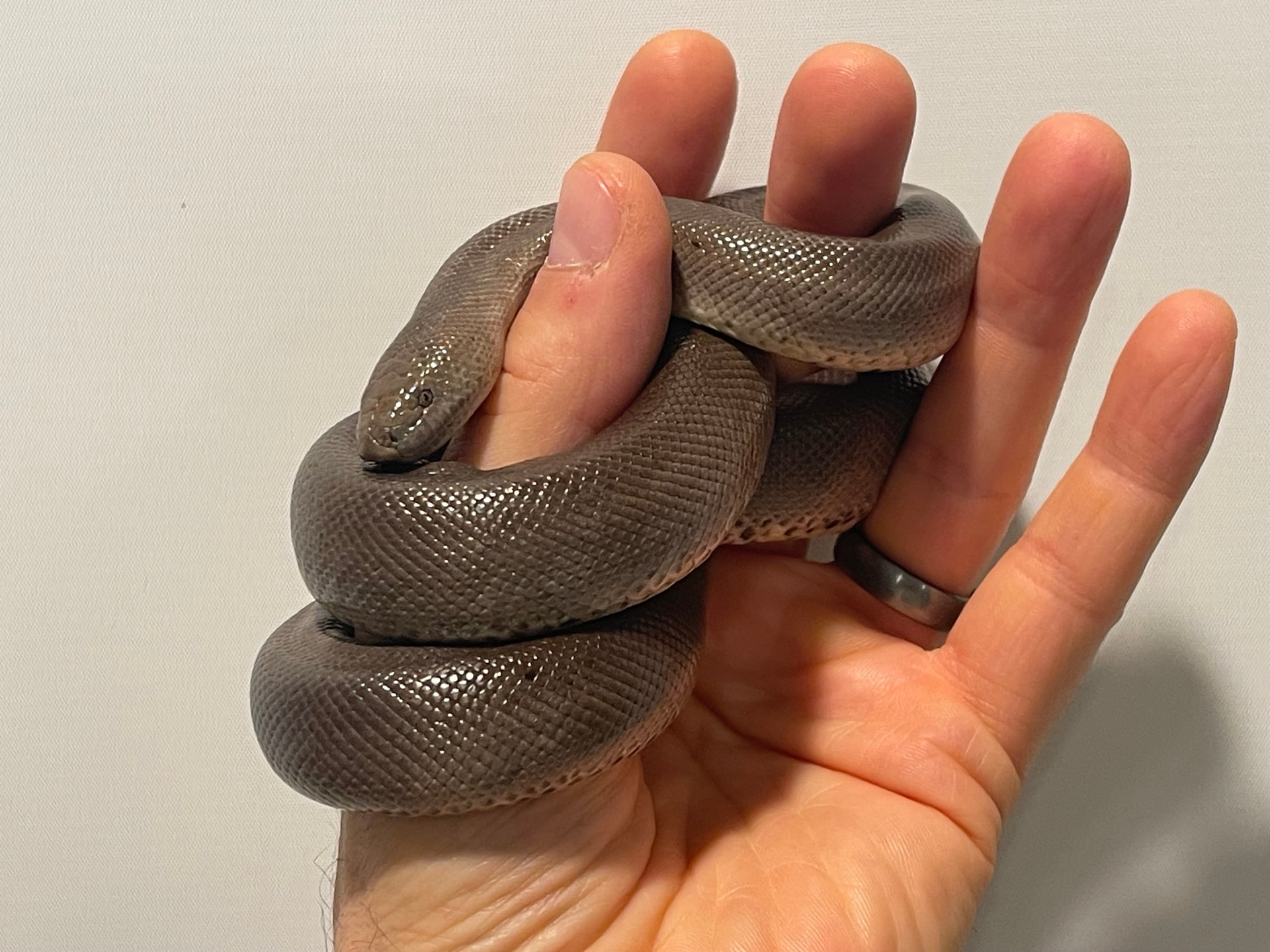
It’s unfortunate imho that CBB rubber boas are so scarce but when they are available they are so pricey. At least this was the case when I had my heart set on one…..
2 Likes
Im just west of tucson. Az
1 Like
Have you ever had a dog or cat? They all have teeth and bite. Most vertebrates have teeth and use them. Reptiles are the same. Snakes have weak bites because they have complicated mouth structures. They have 2 sets of teeth for grasping and pulling in the upper jaw and a specialized lower jaw that can separate and act as grasping fingers while eating. A defensive bite, however, is usually done with the upper outer set of teeth and quickly retracted. This may or may not cause bleeding and feels similar to touching a cactus (there are false or “bluff” strikes, as well). Sometimes a sparkly tooth is left behind which causes no harm to the snake. But, if the snake bites and latches on with its lower jaw, the chance of slight bleeding increases. You must be patient and wait for it to release. This is when most folks pull their hands away instinctively and break the snake’s lower jaw. This causes a slow starving death to the snake long after your bite has healed. A snake in this condition should be euthenized. As said, I have had much worse wounds from domestic pets than reptiles and still own two dogs, so think about the source of your husband’s reluctence. It may well be a bad experience. Personally, I don’t keep vipers, cobras, or serpent-sized snakes (no judgement, just respect).
It is disingenuous to make such broad statements
I have taken bites from some of my larger balls that left bruises. Not from the tooth punctures, but from the actual force of the strike. And we will not even discuss scrubs, retics, Burms, ETBs, STPs, Cribo…
3 Likes
Agreed. I’ve been bitten 4 times by my BCI and the worst one was on the face…
It’s not just about mouth structure, its about the force behind the bite. Most heavy bodied snakes will absolutely hurt you from a bite because they have muscle density.
The bite to the face I got felt like being punched by a large man. I bruised badly and had a swollen lip for a little over a day, I wont even talk about how much it bled.
Not to mention that I’ve seen people multiple times have to get stitches from Retic bites, their teeth and force of a bite can absolutely tear through skin.
Absolutely not, I’m not sure where you’re getting that info from… I’ve personally gotten many defensive bites over the years that used the entire mouth’s set of teeth. The evidence is in the wound.
Now I won’t downplay how much worse Dog and Cat bites/scratches can be, I know from personal experience in that reguard too… I’m just saying that no one should downplay bites from certain species of snakes either. They can be bad too.
The thing is that I had forgottento mention in previous comments I’ve madeon this thread, most bites from any animal comes from Human error and misunderstanding or ignoring an animal’s body language. These bites also can result from antagonization. They can be easily avoided.
5 Likes
Absolutely!!!
3 Likes
Yes to this. That’s even true for smaller snakes in my experience. When my 3’ sand boa has bitten me, the part I feel the next day is the bruise from the impact of the strike, not the (very minor) wounds from the teeth. And of course, the bigger and heavier the snake, the bigger that impact will be.
3 Likes