My blood is quite sweet. She’s definitely more nervous and hissy than my BI, but she hasn’t been the least bit defensive towards me since she was a tiny baby. If you handle them and socialize them with positive experiences when they’re young, they usually grow into quite docile adults, just like most snakes. Only thing I have to watch out for with mine is her feeding response.
2 Likes
If you’re worried about short tail aggression let me alay that fear. I have been keeping them for years and have yet to be bitten by one. Not even a baby. If you get them very young and learn their language they become very accepting of you and will communicate their mood by hissing and huffing. You will know when to leave them be. If acquired as a larger animal they are a little less trusting but would rather flee or hide than bite. You will need to build trust with them.
Of course if they are too warm they get a bit more vocal and may thrash when disturbed. I’m not saying they don’t or won’t bite but learning the body language helps a lot.
A point of interest- they are the only snakes,I have seen, that have full reverse.
2 Likes
My experience was good, since my pair were well-behaved puppy dogs. My batch of hatchlings was little demons, down to the last one – so YMMV.
As for children handling them, I’d recommend getting to know the individual snake well, and then just the standard cautions about ‘all snakes are unpredictable, ultimately’ applies to them the same as any other. I’ve never been bitten by an adult blood, so I can’t say how much worse that would be than from any other snake (my worst, bloodiest bite ever was from a small hognose, and I’ve had some challenging encounters with rosy boas).
2 Likes
The main thing I’d worry about with handing my blood off to a child would just be that, depending on the age and size of the child…bloods are pretty hefty snakes as adults, and they feel most secure when their body is being fully supported. So I’d just want to be sure the child in question would be physically capable of holding them safely and securely (less of a concern if the child is seated and the snake could be partially on their lap).
As babies, they do tend to be nervous and nippy, so I probably wouldn’t hand a baby off to a kid (unless that kid is okay with getting bit; they can’t do much damage as babies). And their body language is different from most snakes. They don’t give the same cues when they’re upset and thinking about striking. (Rather than going into an S-curve, they basically just go totally still and quiet and follow every movement with only their eyes.) So it would be important for you, as the adult, to learn to read them. But I see no reason why a gentle child couldn’t handle a well-socialized STP with supervision.
4 Likes
I’m taking notes myself lol
Idk if I’ll ever keep STPs but thats definitely a different indicator for biting that any other species I’ve kept.
2 Likes
Not so sure about children handling them. Maybe as @jawramik said- laying on the childs lap. Not right away, they need steady trust worthy hands. Short tails are notorious for not holding on. They only rarely wrap themselves around your arm or hand when handled. They need to be held like a baby. Lower body on an arm held close and the front part of their body supported by the other hand.
Despite that, they will use the lower part of the body to grab prey. If they think food is coming and their head is covered they will hold with their tail/body. This is when a bite comes hard and I mean hard. And fast.
Btw, one sure sign you need to back off is the tongue partly extended, rapid breathing and stiffness. Only the eyes move. Suddenly…WHAM! You can see it coming. Probably why I haven’t been bit. Yet.
3 Likes
BCCs don’t get as big as people think. Not as fast as people think, at least. When fed correctly, they grow very slowly; the huge, monster ones are mostly power-fed or older animals. In fact, BCIs can get just as large as BCCs unless it is a dwarf locality BCI.
There are also many different boas, such as BCAs, which stay smaller and are unique, as well as Boa constrictors, which have a whole slew of different colors and localities.
There are also the Pearl Island boas, which are a different species and stay smaller.
In my experience as a locality boa keeper, BCIs grow faster and get larger than BCCs more often than not. A well-fed and properly raised BCC will not be over 6 feet until around 8+ years old. They simply don’t get huge fast, and many stop growing around 5–6 feet. At least in large amounts. Snakes never stop growing, a big issue with boas. Is it that people severely overfeed them? An adult boa doesn’t even need to eat every week or every other week. A big meal once or maybe twice a month will suffice. And at that, they don’t really ever get big enough to eat jumbo rats, unless you decide to feed a boa very scarcely.
Here are some localities that will stay smaller (4–6-foot range, which is smaller than a generic BCI):
sonoran boa (Boa Sigma)
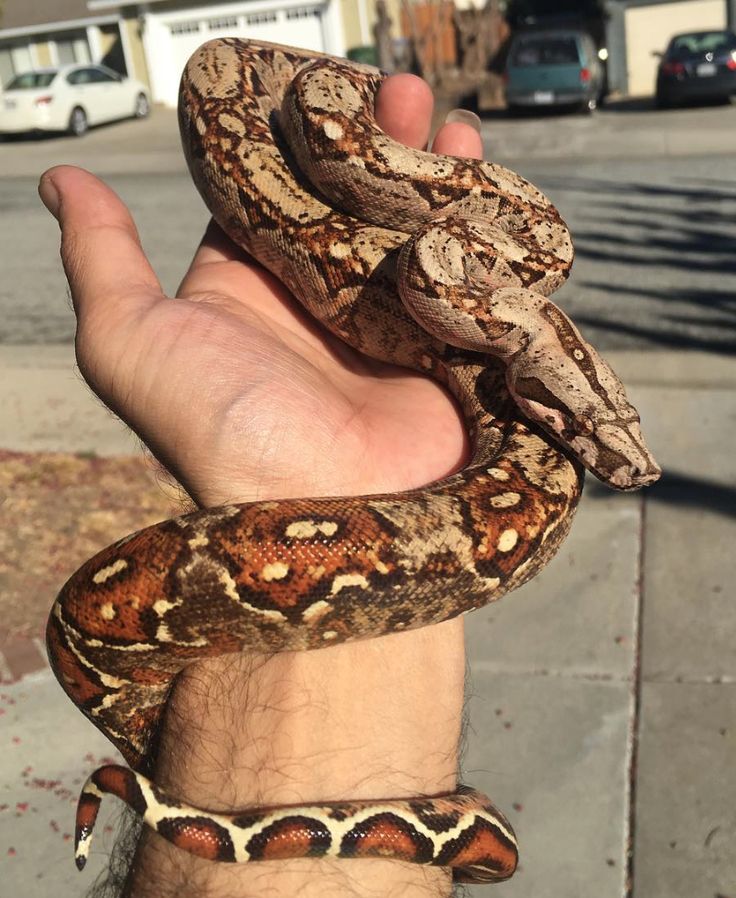
**Tarahumara Mnt Boa (Boa Sigma) **

** paraguana peninsula boa**
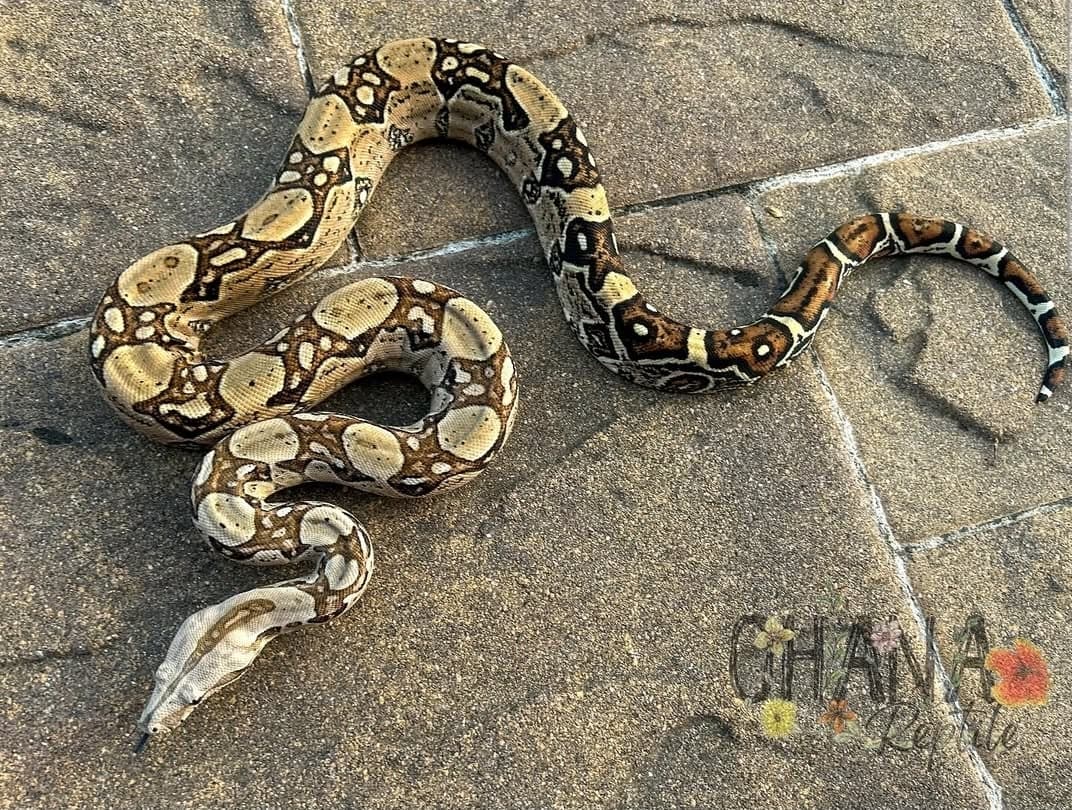
has both BCI and BCC traits , is a intergrade, stays tiny
Pearl Island boa (Boa Saboge)
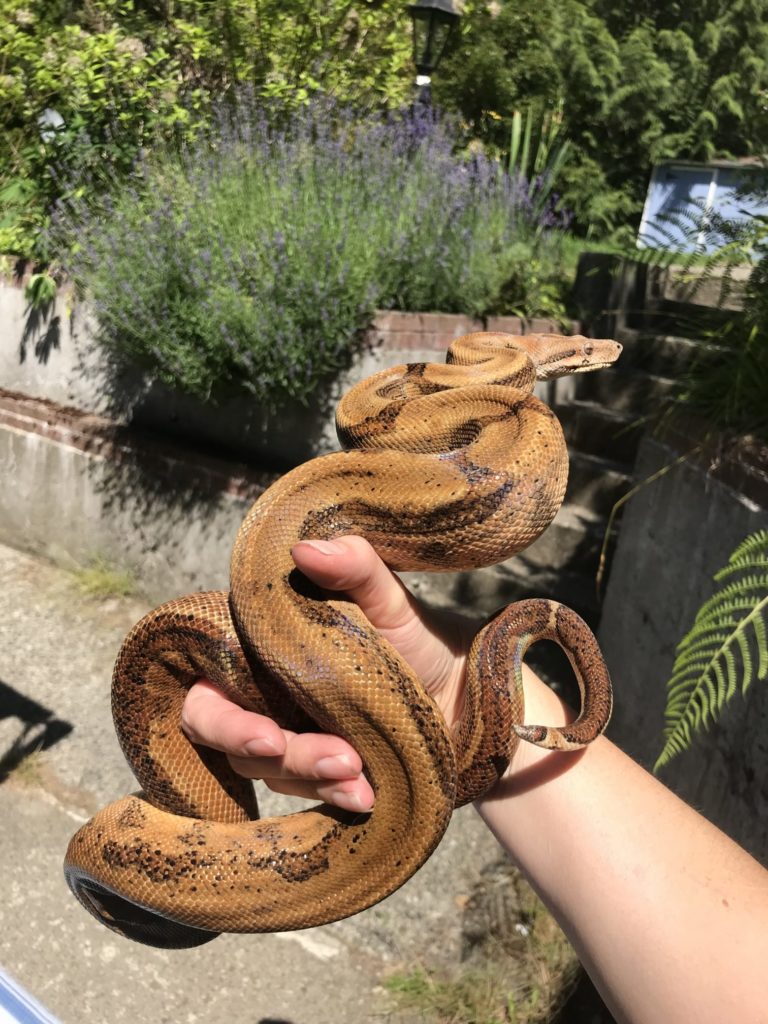
Hog Island Boa
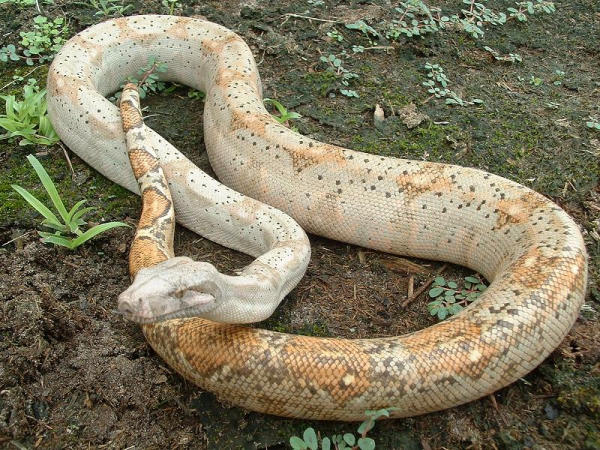
Panamania boa (Boa Imperator)
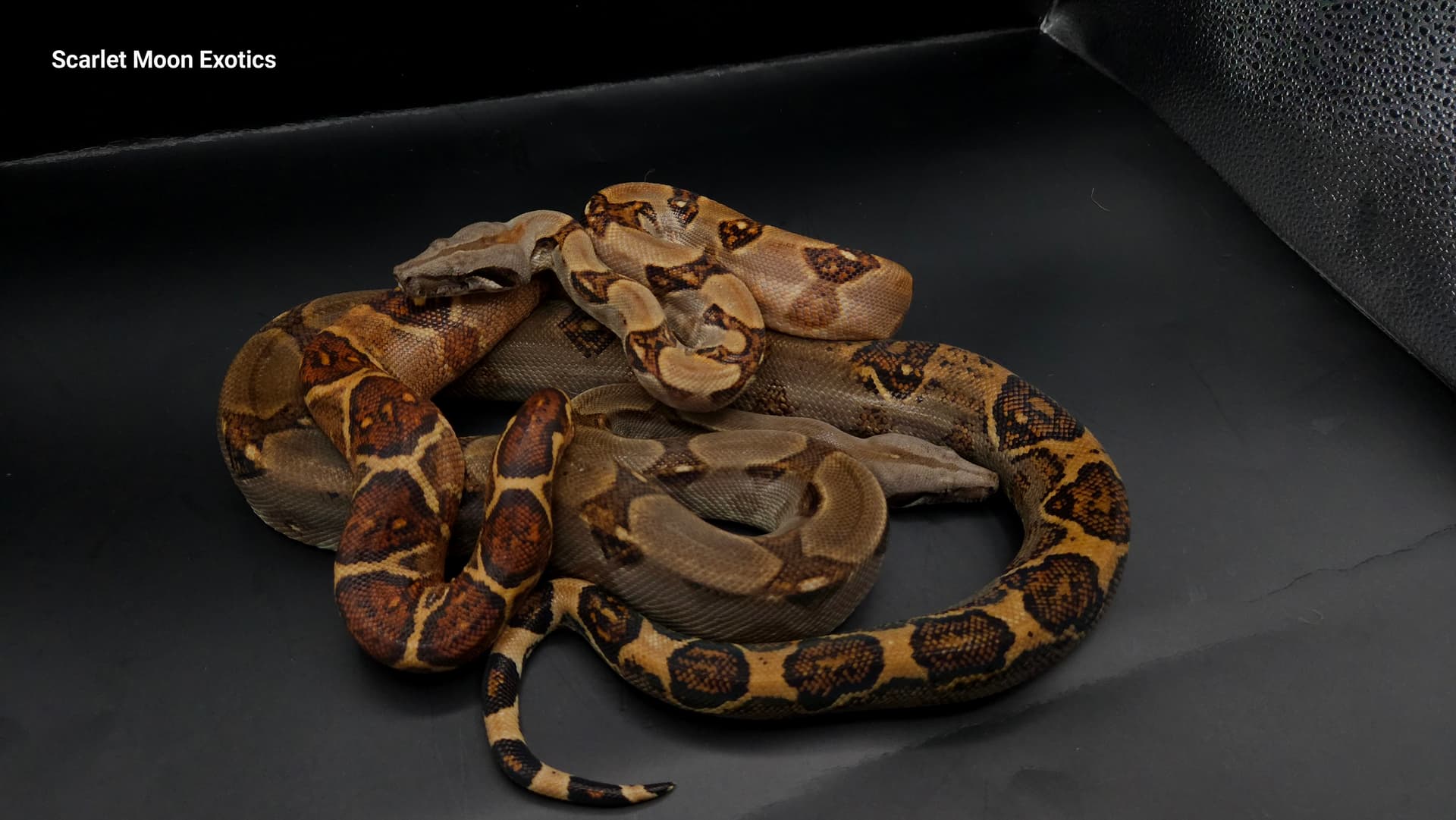
Honduran FireBelly boa (boa imperator)
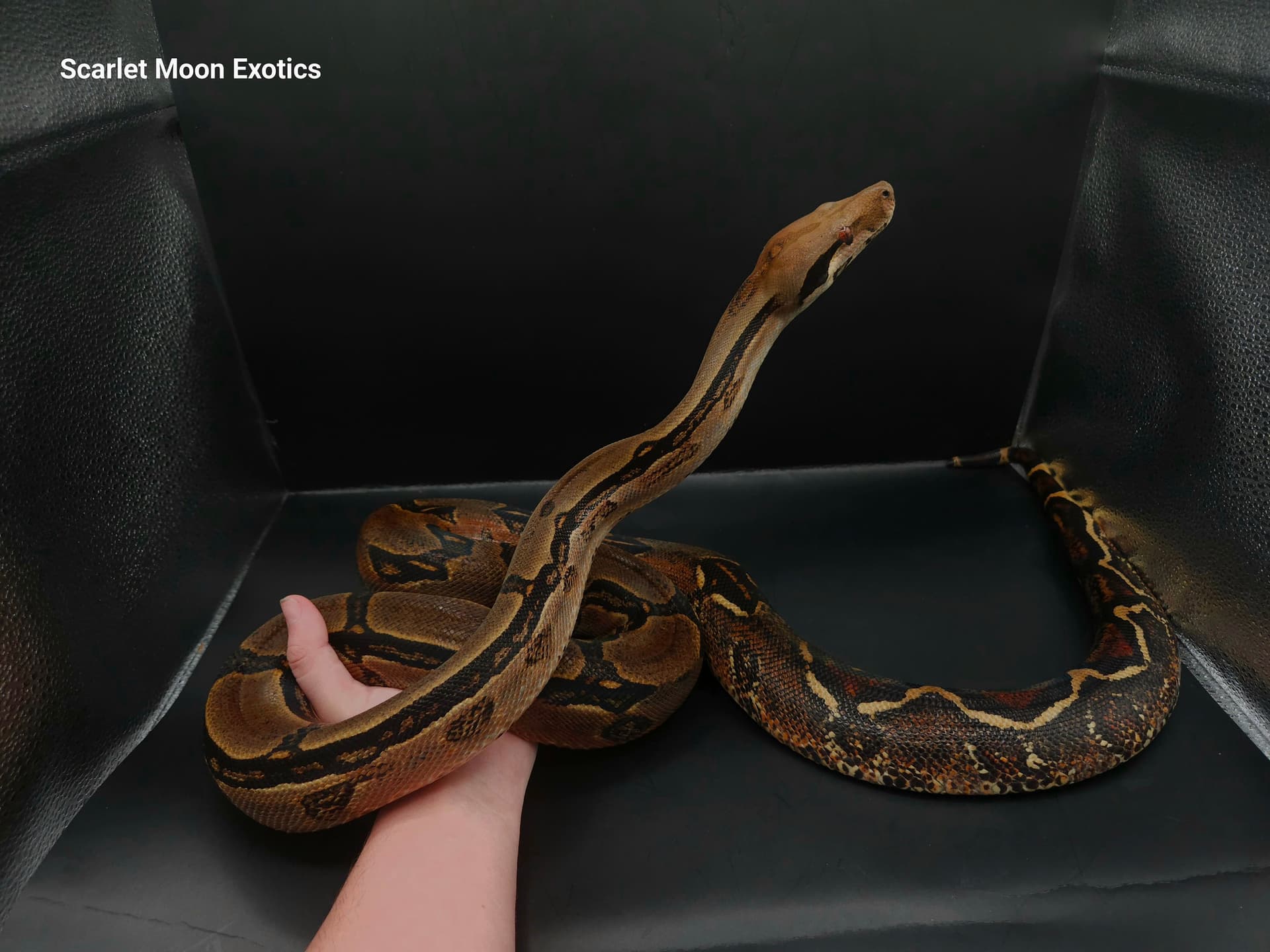
There are many more, but seriously, they all behave differently and are gorgeous, and not as common as having a morph boa.
Speaking of which, Super Fire comes from BCAs, the short-tailed boa, which is a subspecies of BCC. Salmon Hypo comes from Panamanian boas, Leopard from Sonoran boas, etc. Morph boas are a slew of mixed localities and have no guaranteed set size; you can have a morph boa max out at 5 ft or 10 ft. Columbian Red tails are not BCIs and are a real thing and get big. Central Americans are a mixed bag unless from pure lines.
Look into localities; they are unique and very few actually appreciate them. They are my love, and I wish people knew how different each region of boa locales is.
side note, the acronyms: BCC and BCI are now null and void. It is simply BC and BI now, Boa imperator was made into a separate species all together instead of a subspecies like it was. Anything with BC in its name is a subspeciesof Boa constrictor , and true red tails are simply called BC now.
5 Likes
Aru x true designer Aru with IMG characteristics green tree python.
2 Likes
my advice for you is to get a large enclosure and buy as many garter snakes you fit in it appropriately.
PS do research on how to cohab first before doing this
1 Like
I’m a big fan of skinks, and an adult blue-tongued skink would fit perfectly in a 4x2x2. I would recommend starting with a Northern due to ease of care compared to other subspecies requirements, and more variety of morphs available to choose from. They are interactive, generally very handleable, and easy to tame. Mine seemed to seek interaction and was a lap lizard.
2 Likes