Species
ball python
Name of Gene
Mahatar
First produced by
Gerlinde Hiendlmeyer
Year first produced
2011
Inheritence type
Incomplete Dominant
Other names/aliases
none
General description
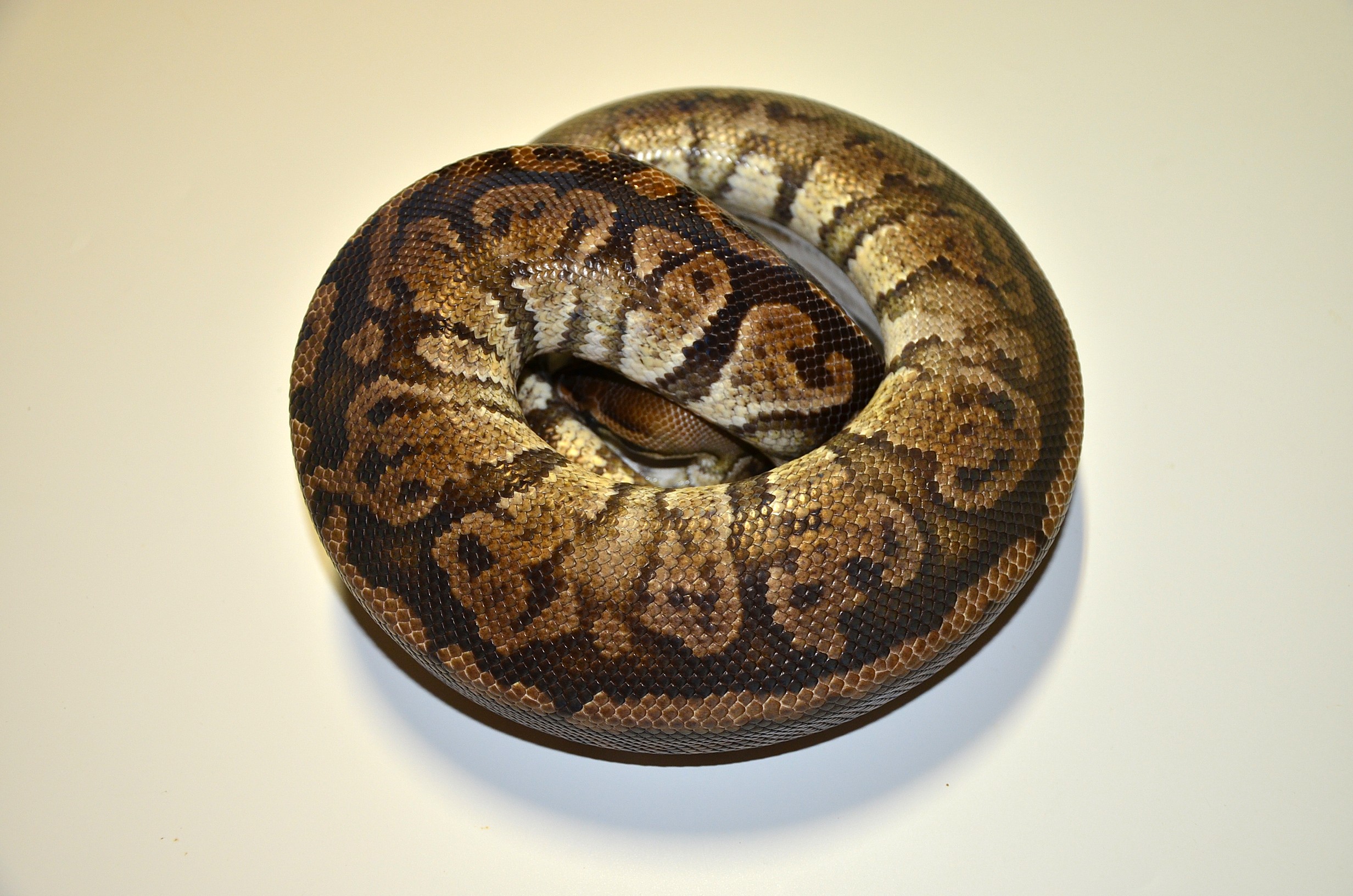
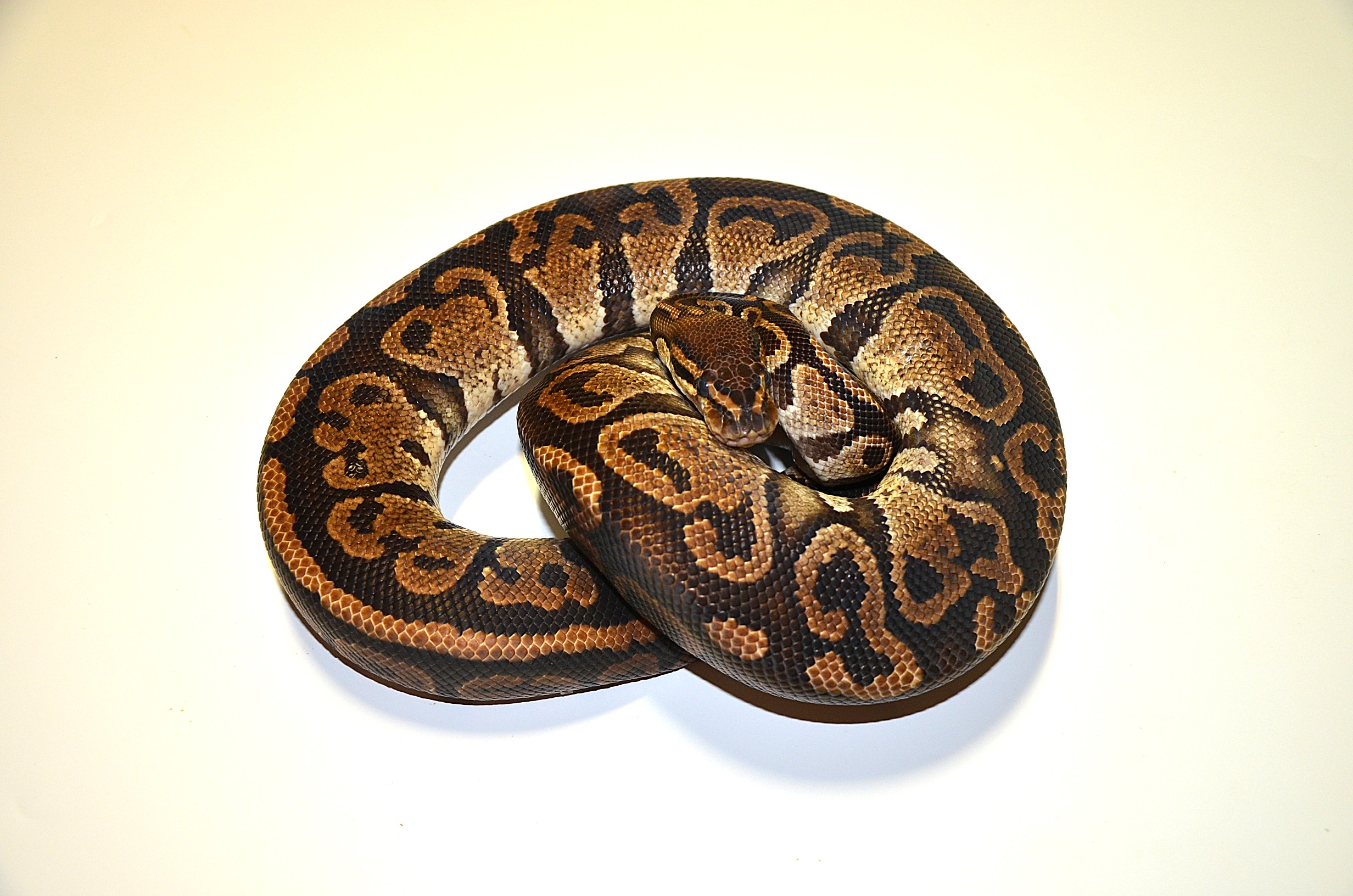
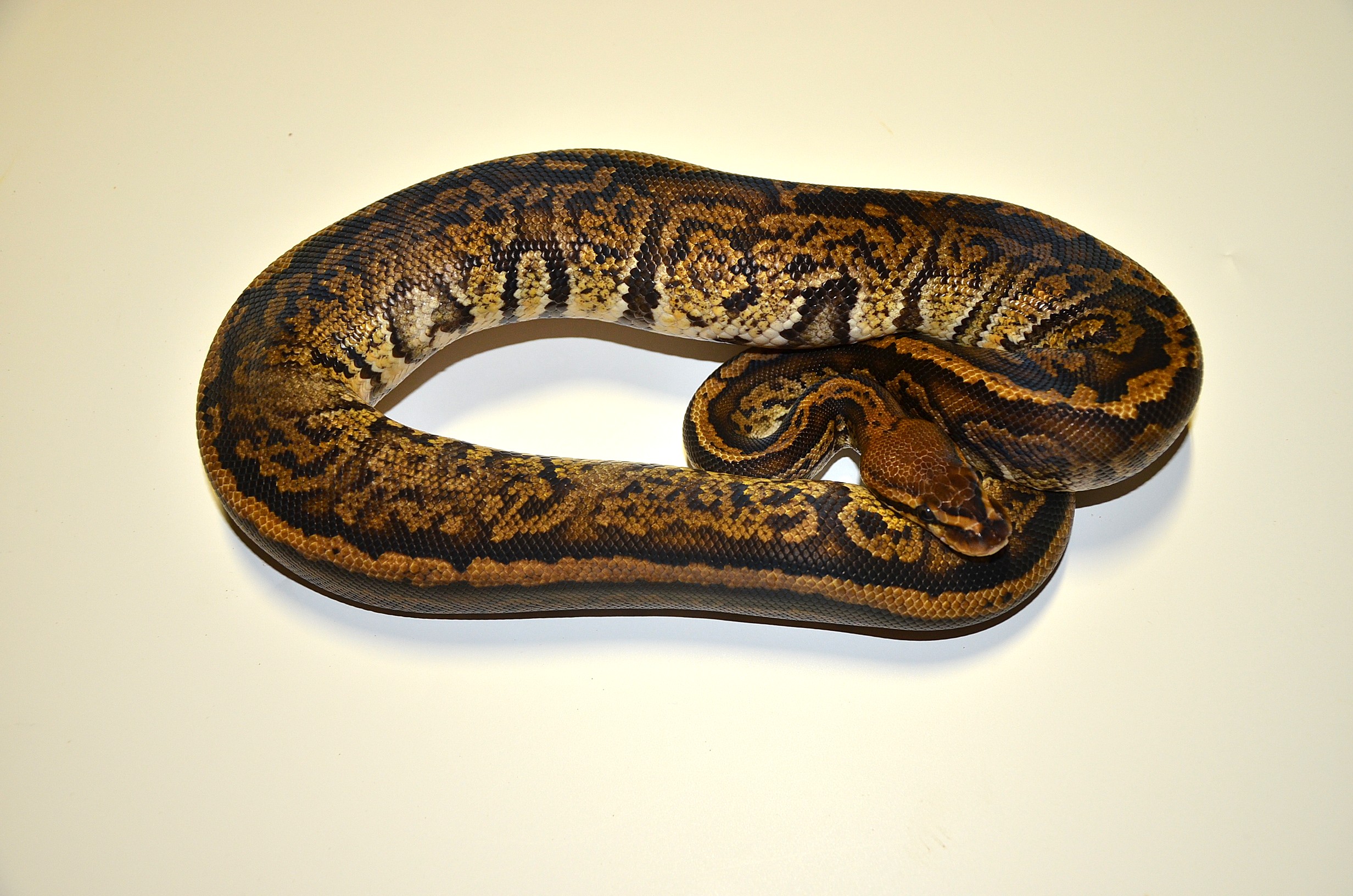
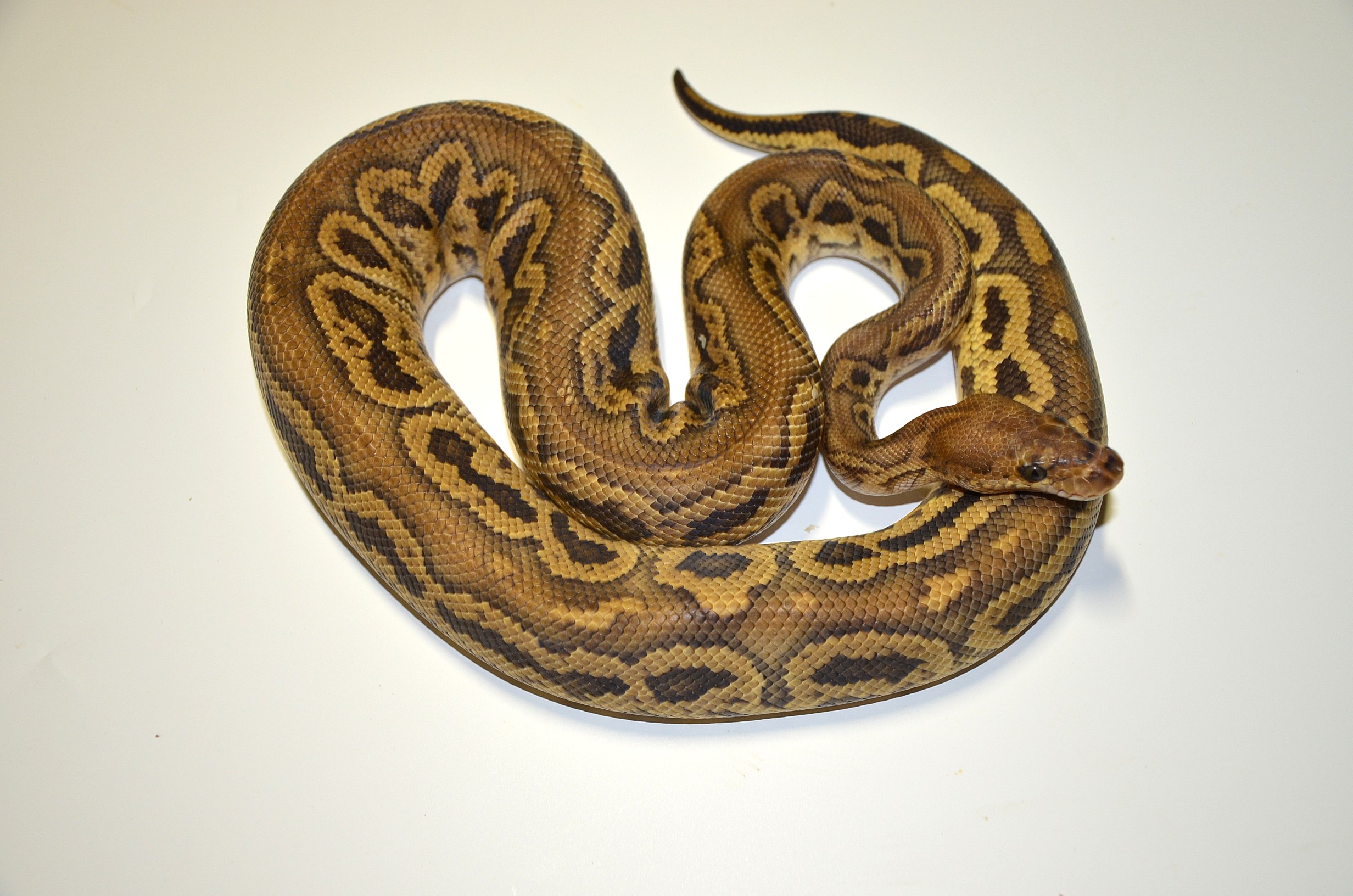
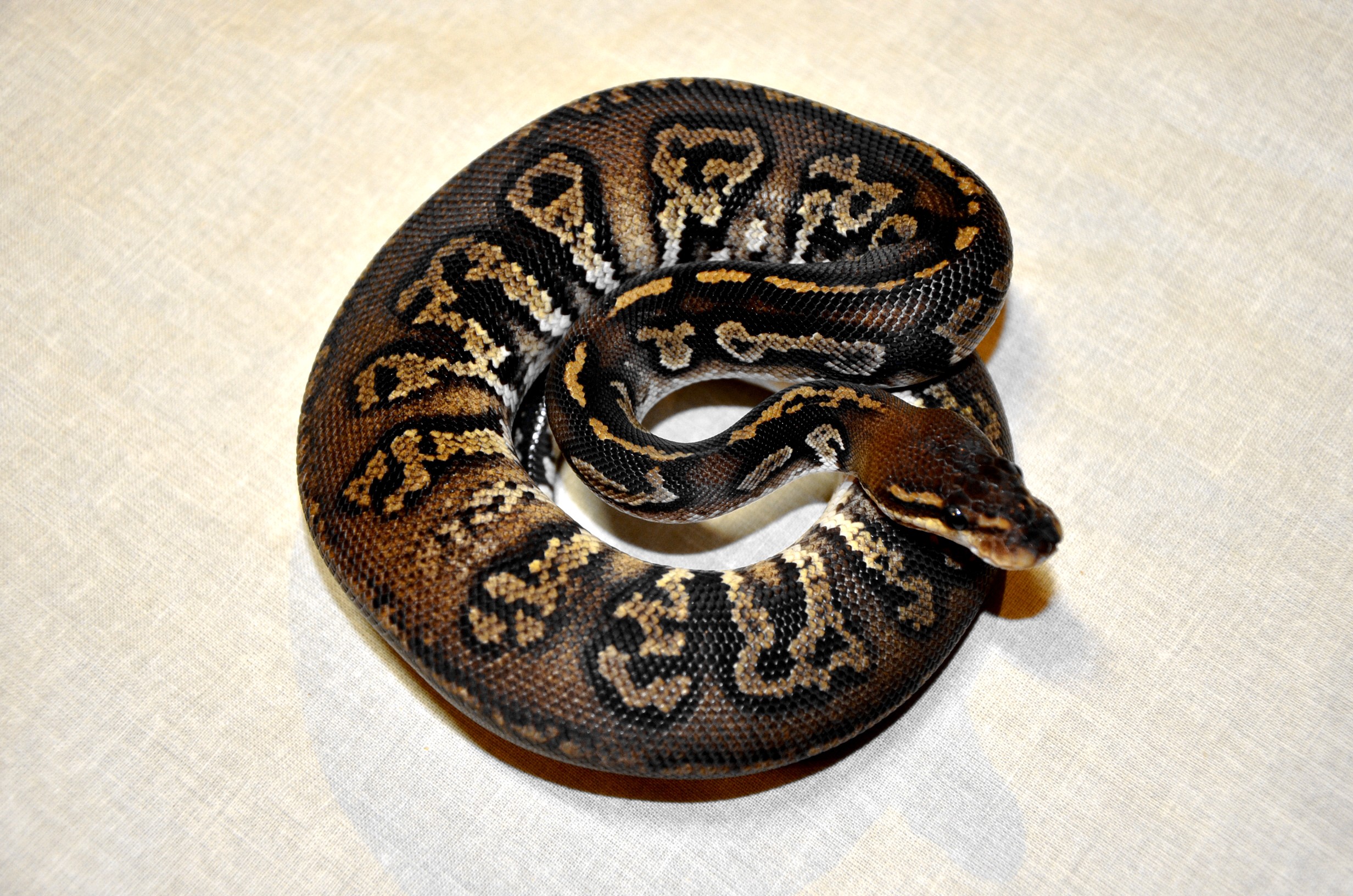
The Mahatar ball python gene is a pattern disruption incomplete dominant mutation with a proven super form.
Appearance - Head
The head of a Mahatar ball python is dark and fades out towards the neck.
Appearance - Body
The body of the Mahatar ball python is dominated by a wild shattered granit like pattering.The whole appiearance of the body color is darker than that of a normal ball python.
Appearance - Belly
The belly of the Mahatar ball python is usually clear in the middle with some pattern on the sides towards the body.
Appearance - Tail
The tail of the Mahatar ball python usually follows the busy pattering of the rest of the body.
Proven lines
None known proven lines.
Related genes
None
Proven
The gene is proven since 2011 with lots of different breedings into other ball python mutations.
Is is easy to see the color and pattern changes that the Mahatar gene creates in combination with other ball python morphs,
Unique
There is no known other gene like the Mahatar.
Problems
none
History
In 2007 I bought a weird looking ball python female from an import out of Africa. It took me a few years until she gave me the first clutch. In that clutch there where two babies that look like the same as their mother the original female.
I grew up the babies and over the years I tried to breed that new gene to different other morphs. The result was that I got some stunning lokking ball python combos! In 2025 I discovered that there is a super form as I bred two Mahatar together.
Disagreement or controversy
none