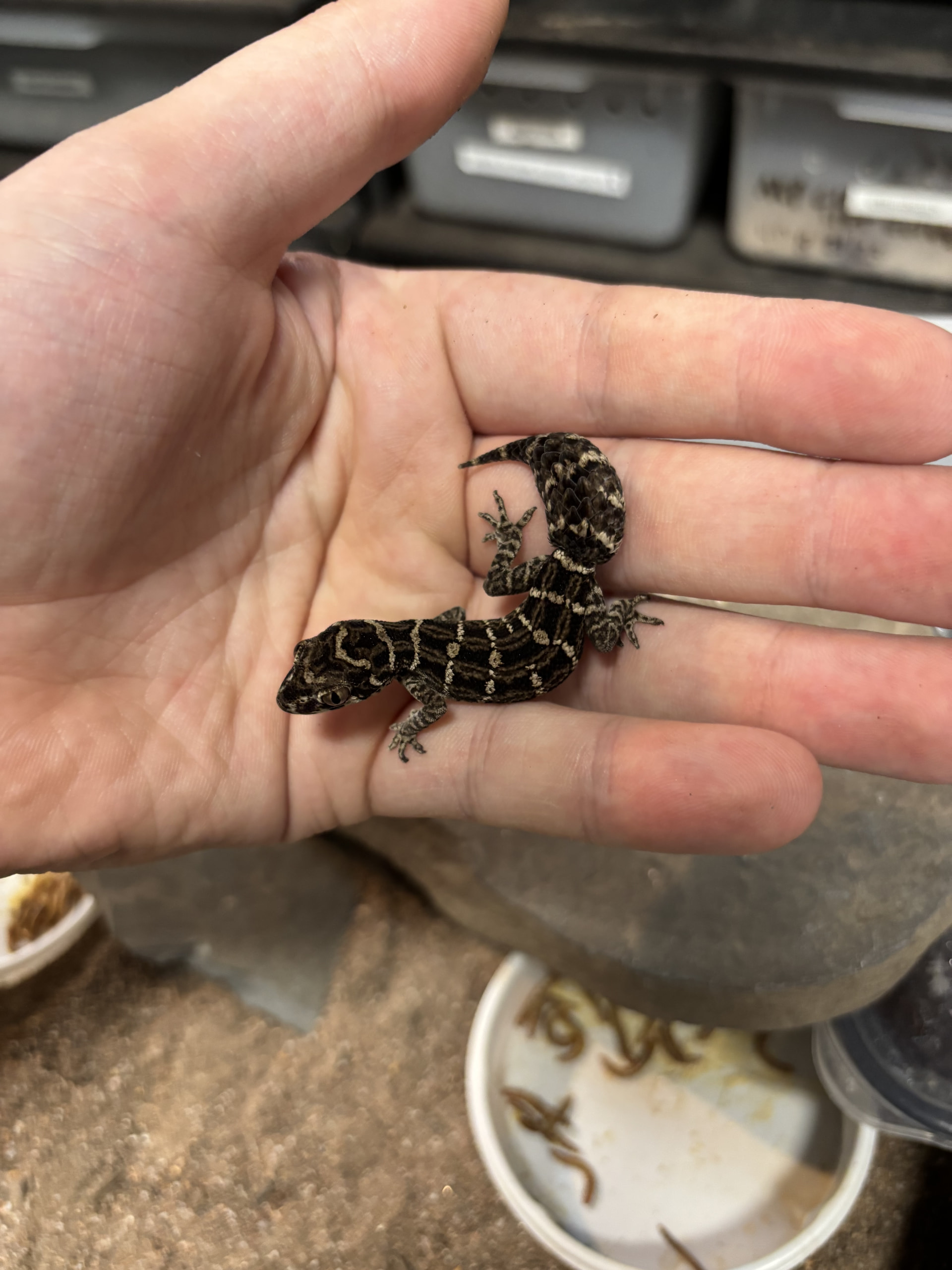
Seeking Constructive Criticism on My Viper Gecko Enclosure & Care Questions

Good afternoon everyone,

I’m fairly new to keeping viper geckos. I’ve had my pair since roughly the end of May beginning of June, and they have honestly been some of the best little geckos I’ve ever owned! They’re so fun to watch, they’re outgoing, curious, savage little hunters, and pooping machines!

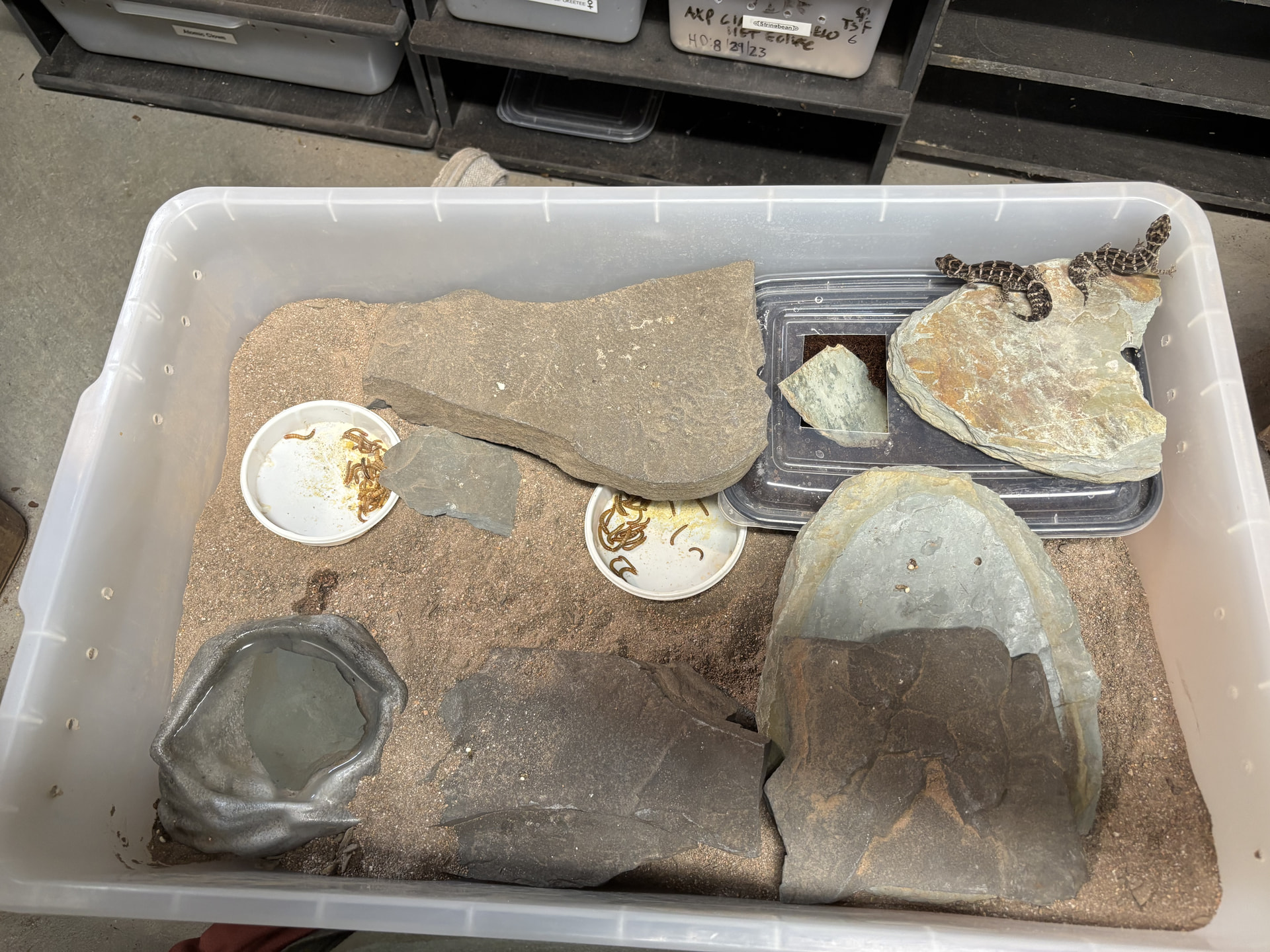
I’d love to hear from others who either currently keep, or have kept viper geckos in the past regarding my setup and what changes I could make to best benefit my pair! In the future I’d love to make them a nice naturalist planted enclosure, but I think that the tub works well for them now.

I also have a question regarding keeping them in pairs. This is the first species I’ve kept that can be house indefinitely in pairs and although they can be housed in pairs, that doesn’t mean that all individuals should and will get along. Has anyone experienced bullying over food, or anything of that nature? It seems to me that my female is much larger than my male, and I’m worried that she may be bullying him over the mealworms. Today I did add the additional escape proof mealworm dish, in the hopes that if there is bullying going on, that one more dish might allow them to each have a bowl. I also feed small crickets a couple times a week.

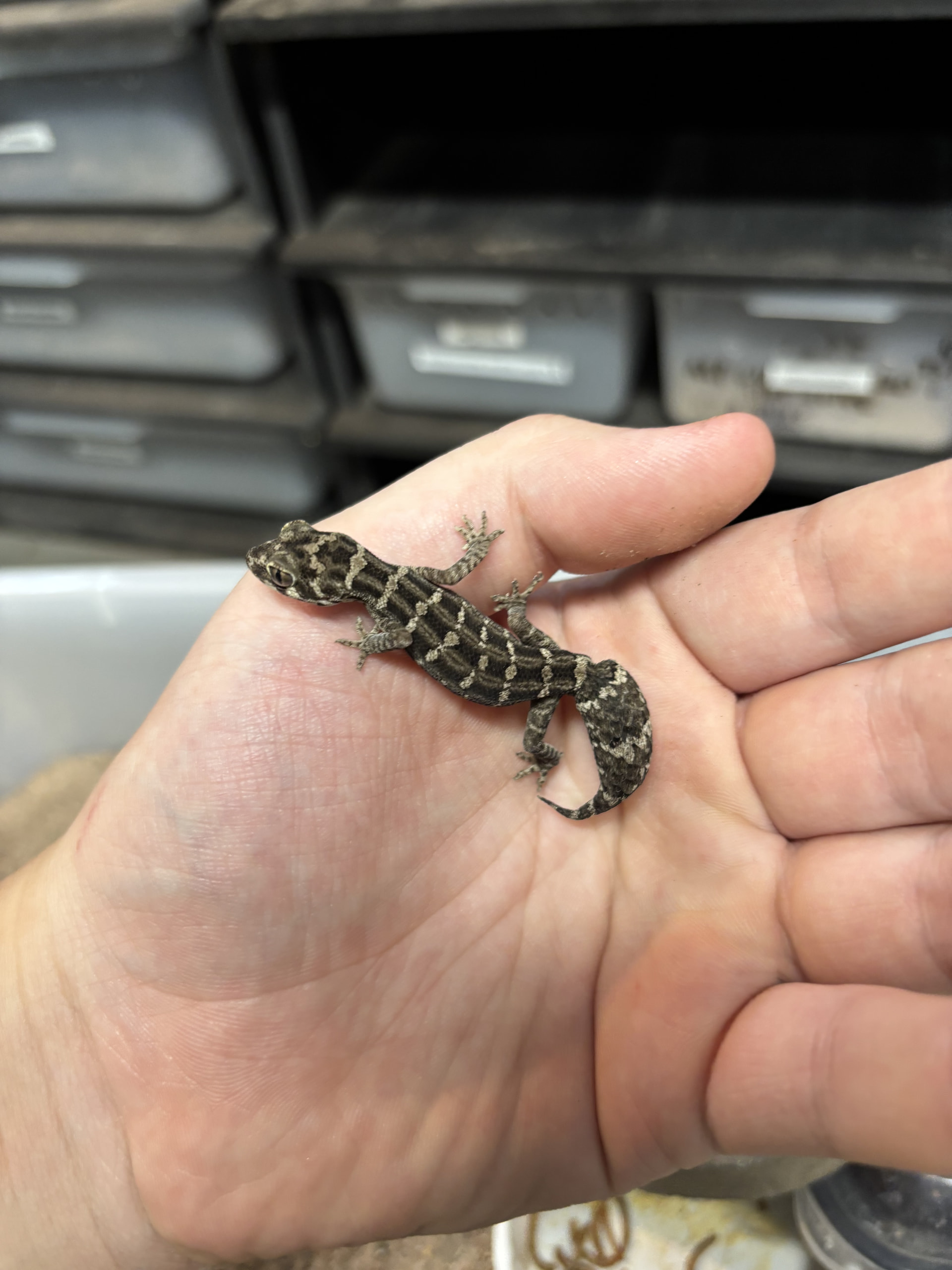
Some additional information. They’ll be a year old in September, the female has not laid any eggs, I have not noticed any fighting or aggression (they’ll actually hide under the same rock together), and they’re supplemented each feeding. The female is the larger darker one, and the male is lighter.
Love these guys, and just want the best for them!

I appreciate everyone’s responses!

Naven

4 Likes

Hey Naven! It’s too bad you haven’t had any responses to your post yet! I don’t have any experience with these little guys unfortunately but they are really cool! You have now peaked my interest in them though! It appears multiple males can be kept together (no female in the mix) without fighting. UVB is optional if provided a D3 supplement? 90-95 bask spot, more arboreal then terrestrial, desert like low humidity conditions. I happen to have a perfect empty enclosure :wink:!

If you are worried about bullying you could monitor their weights? Or feed separately? Supposedly they are great eaters. I know you asked for critique/interaction from experienced keepers but I just wanted to converse! I keep chameleon geckos which seem to require the opposite care……..

3 Likes

I haven’t worked with them personally, so my advice is pretty limited…
Looking at your female’s photo on a larger monitor, it looks like she has the small little white spots that are usually the signs of breeding nips from males. So there’s a good chance they may have already started breeding.

They both look like a pretty good weight and such, so just make sure that one doesn’t suddenly start loosing more weight than the other.

As far as the enclosure looks, it looks pretty neat to me. I like that there’s a couple areas to squeeze into. You could always consider adding some fake plants or cacti if they’re not to spikey to give a little more clutter to things in case one wants more time away from the other.

I do cohab leopard geckos. And to avoid too much picking on one I usually try to keep them in 3 or more members in a group. I usually go with odd numbers. The extra dish is a great to help woth food competition as well

3 Likes

Duh! I thought they were just the light color variation on her body! But I’m looking at my small iPhone. I can actually “hear” my tiny CGs when they are “in the process”! :grinning_face_with_smiling_eyes:

1 Like

They’re really cool!

1 Like

Sorry, I missed this thread when it was first posted, I guess. Here are some responses to various comments.

I’ve had pairs start laying prior to 10 months, and as late as 14 months or so – that’s just my recollections, not precise data. My females are usually larger than my males, though of course like humans that can be the other way around in uncommon cases. I’ve not noticed food bullying, exactly, in hundreds of viper geckos; I do start to sort hatchlings by size (in addition to sorting by age) when there’s a noticeable discrepancy in a group. Whether that’s due to bullying I really doubt, but can’t rule out. The second food dish is a great idea in any event.

Females can have trouble keeping weight on once they really get going laying, but that’s something different. I haven’t quite come up with a great solution to this, since they’ll keep laying for a while after the male is pulled, and don’t necessarily bulk back up all that well anyway. I have started trying retiring females a bit earlier, and selling them as pet-only animals in small female groups.

I’ve not noticed breeding nips in these guys, and I’m not seeing anything other than pattern in the photos. Could be a problem with my vision, though. :wink:

I don’t recommend UVB for these guys. Just this morning I talked to a buyer whose non-feeding problem we solved in part by discontinuing UVB (and discontinuing a night temp drop, which is another problematic practice). UVB is very challenging to use properly (enclosure design, metering, the fact that Ferguson Zone recommendations are not based on much real evidence), and in a case like this the risks outweigh any possible benefits (which are none, as far as I figure).

I think that enclosure looks great for them. One big challenge with naturalistic enclosures is heating them properly (deep substrate, plants tend not to like 90F), but keepers with enough experience (with herps in general, and also with the species) can certainly meet that challenge. Another is that naturalistic enclosures are typically larger (to fit in all the stuff that’s not 100% necessary), and this can make finding eggs very tedious (they’ll lay in the sand, anywhere).

Yes, this is a super fun species, and really simple to keep (like leopard geckos, but everything is much smaller and they get along with each other better). Their “personality” is really nice – they really do seem pretty cheerful and are drama-free. Dealing with breeding is “a whole nother thing”, though, and the hatchlings are fragile for the first couple weeks, and really only truly solid at 2 months (don’t buy these too young, folks). For many keepers an all male group (or all female group, except that they’re usually more expensive since these are GSD) is a great option.

2 Likes