Tessera Confusion with Second Clutch

Edited on 10/21 to fix some grammar issues, and fully clarify the male is Super Tessera!

Long-time lurker, first-time poster, I apologize for any mistakes!

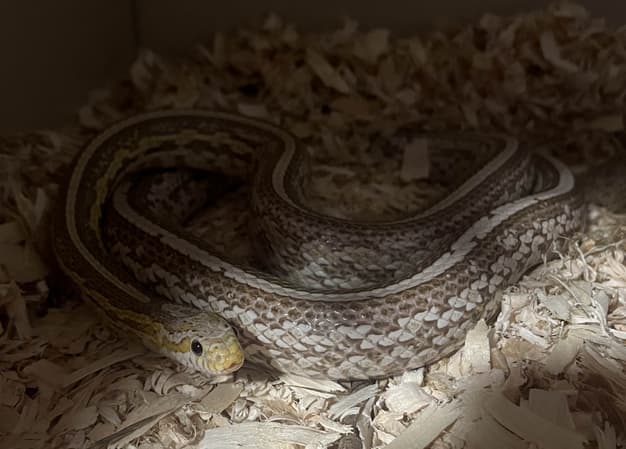
This year, I had a double-clutch from an Anery x Ultramel Anery Super Tessera pairing. The Anery came from a local reptile store in 2019 and had no other genetics listed, and the Ultramel Anery Super Tessera came from Freaks of Nature in 2021.
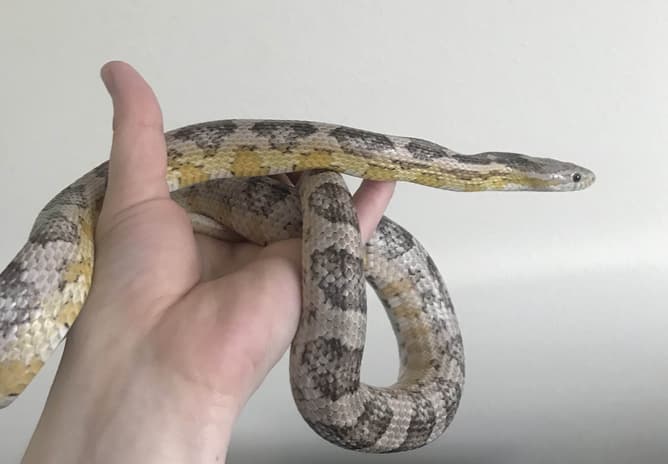
a.dam.PNG
h.sire.PNG

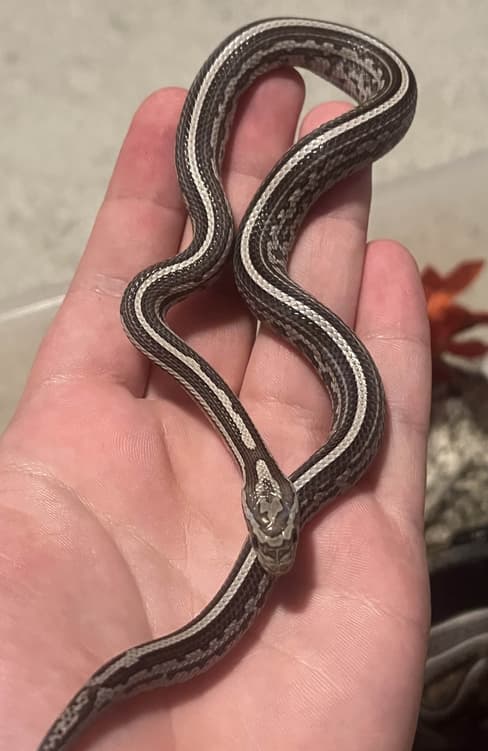
The first clutch came out on time, healthy and beautiful; they were all Anery Tessera as expected, and minus some small variation in stripe cleanliness and belly checker amount, all looked about the same. Here is a photo from today of one from said clutch:
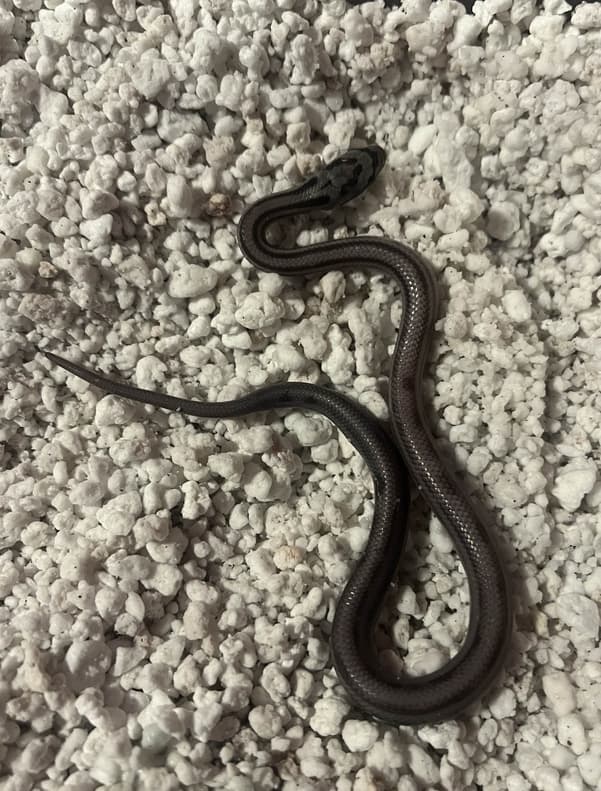
Right before bed tonight, I decided to check on the double-clutch, as it’s about two weeks overdue. I had noticed them beginning to pip in the morning and wanted to see how they were coming along. To my surprise, one of them was fully out, and I was completely taken aback by its appearance. Its belly is completely clear of checkers, it lacks a tessellation side pattern, and it has a very interesting dual stripe along its back. It’s very late so I apologize for the lackluster photos:
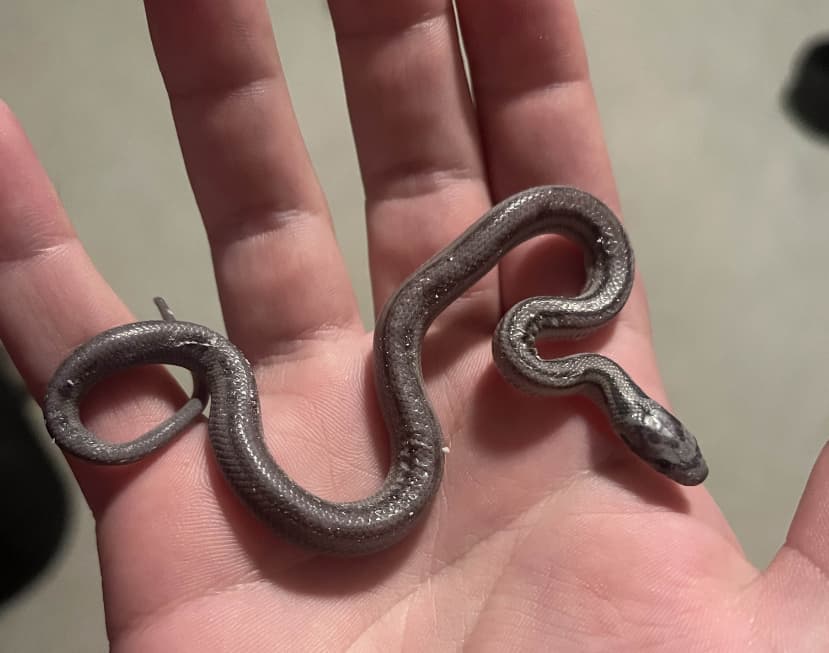
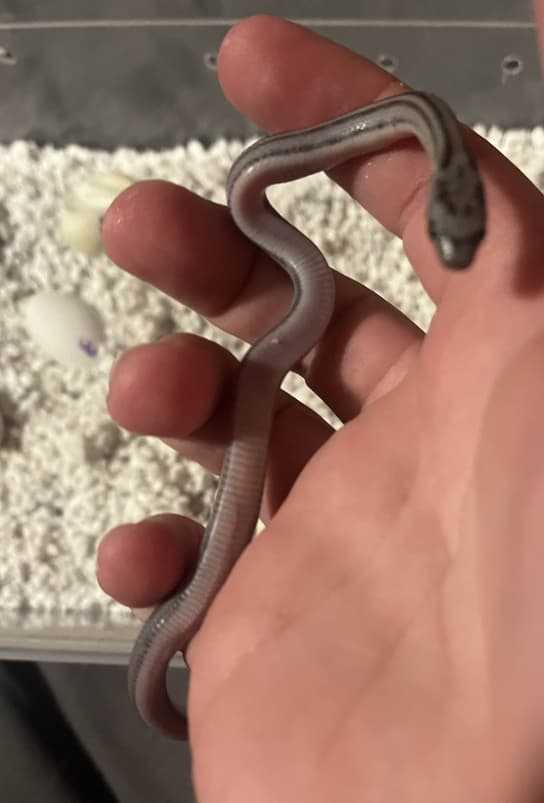
To say I’m confused would be putting it lightly! I know Tessera’s appearance can vary wildly, but the pattern on this guy looks nothing like either of his parents, nor the first clutch. None of the other hatchlings are out yet, but peering into the slits they’ve made by pipping, their bellies look clear and white, just like this guy. The female has only ever been paired with this male, I’ve had her since she was a hatchling so I know that for sure.

Am I wrong for thinking the phenotypic appearance of this hatchling is odd? Is this just an interesting example of what Tessera can look like? I also noticed his tail seems a little… nubby. I’m not exactly sure why. I felt along his spine and didn’t feel any kinks, and he is responsive and neurologically fine.

It’s pretty late, but if anyone has any insight, I’d be interested in hearing! I can add more photos as well tomorrow, if it would help at all. This is only the second clutch I’ve ever hatched, so maybe I just wasn’t prepared for this amount of variation. Apologies if that’s the case, please be kind :sweat_smile:

4 Likes

The only thing I can help you with here is to wait until those babies shed before posting more pictures, it will help ID anything that may not be obviously clear while the baby still has its baby shine.

Here are a few who may be able to help

@noodlehaus @deanaii @caryl

3 Likes

Looks very much like a Tessera Stripe to me, so the parents must be het Stripe and you just didn’t hit Stripe in the first clutch. :slight_smile:

@solarserpents has hatched a bunch of Tessera Stripes, so she can help confirm.

2 Likes

I was thinking the pattern looked stripe-like, but wow, wasn’t really expecting anything other than anery and tessera! I’ll definitely give them all time to hatch and shed, and I’ll post some more pictures after. Thank you both for your replies!

2 Likes

How many babies in the first clutch? This one definitely looks like a tessera stripe.

3 Likes

There were five hatchlings in the first clutch, all pretty identical looking anery tesseras. She laid more than five eggs but did so outside of the lay box, and they didn’t make it :confused:

This second clutch has four hatchlings, and all of them are looking like the anery stripe tessera individual I’ve attached photos of. If both the parents are het for stripe, that leaves about a 25% chance of a hatchling being visibly striped, right? If that’s the case, I guess the first clutch just didn’t hit those odds, and this second clutch just happened to?

2 Likes

I was wondering if it was a small clutch, because yes, het stripe to het stripe would produce eggs with each having a 25% chance of being homozygous stripe. And there’s no chance that a different male might have fathered the second clutch? Like did she ever get put into someone else’s enclosure accidentally or anything like that?

2 Likes

No, no chance for that; I only own one male and one female, and I’ve had the female since she was a hatchling. So definitely no confusion in terms of who the sire is. Not out of the realm of possibility at all, but wowie, the chances of them both being het stripe, and the distribution of homozygous stripe between clutches is interesting! Wasn’t expecting a surprise like this

2 Likes

Yup, that’s super interesting! Would love to see the rest of the babies as they emerge.

3 Likes

Welcome and congratulations! They’re lovely. Agreed, nice little Stripe. It does seem to have pattern which continues pretty far down its body. Ordinarily I would just think Stripe rather than Tessera Stripe but I know it varies wildly and ah can very well be Tessera Stripe. @solarserpents and @deanaii have a lot more experience with neonate Tessera Stripes in person than I do.

It’s interesting that your visible morph distribution is the way it is. I always say, odds are odds; they’re not rules. You’ve proved that, it seems. Question; you said the male is a Super Tessera. Does he come from Super Tessera parents or had he already been priced Super? If not, I would hesitate to say he’s a Super based on only on these numbers. If you want to prove him as Super, you’ll need to breed him to a non-Tessera female or two and get all Tessera babies. Apologies if you already know this, just trying to clarify.

Congrats again on your lovely babies! Looking forward to seeing them post-shed.

1 Like