Growing fast. So bright. 
4 Likes
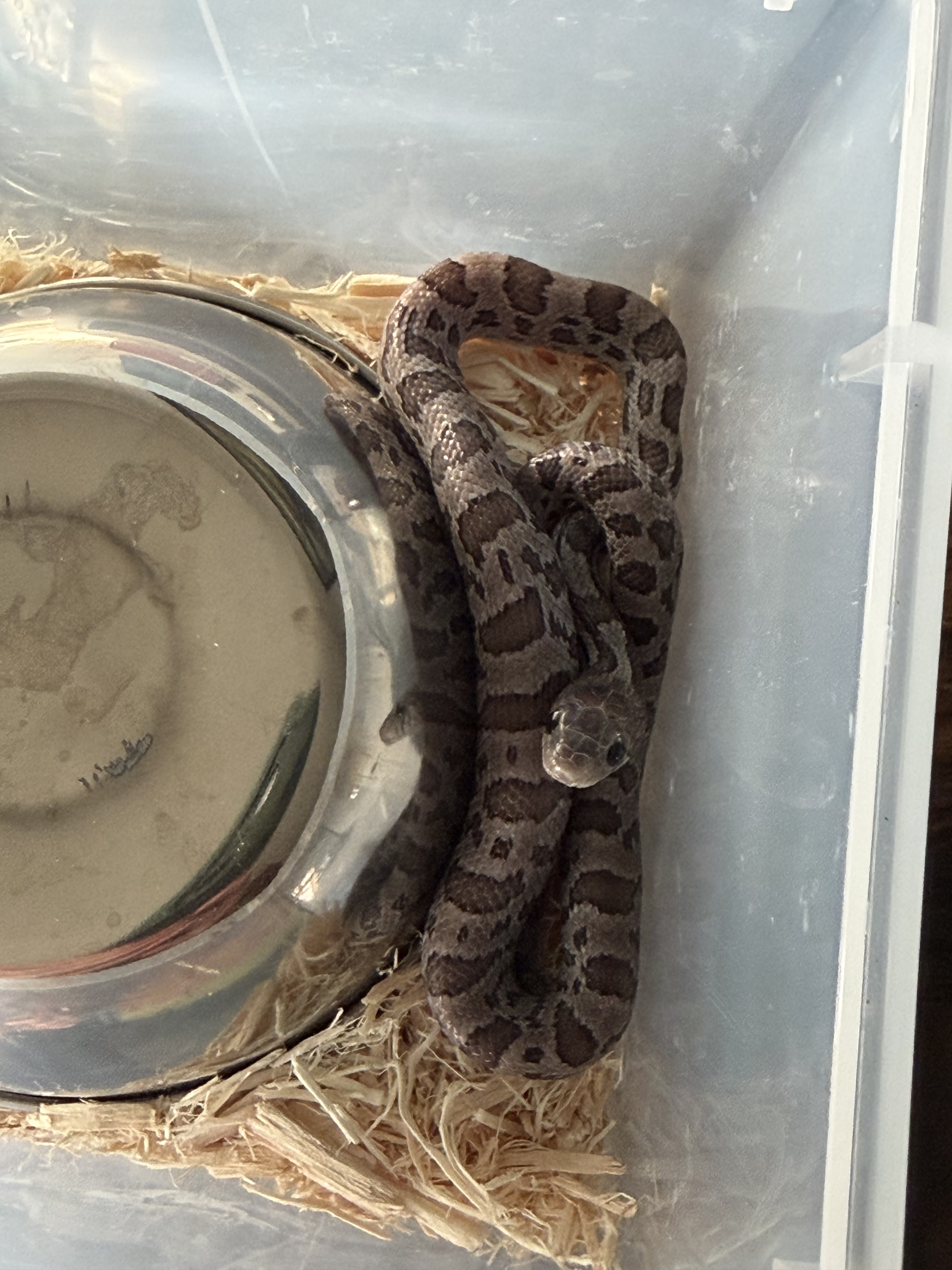
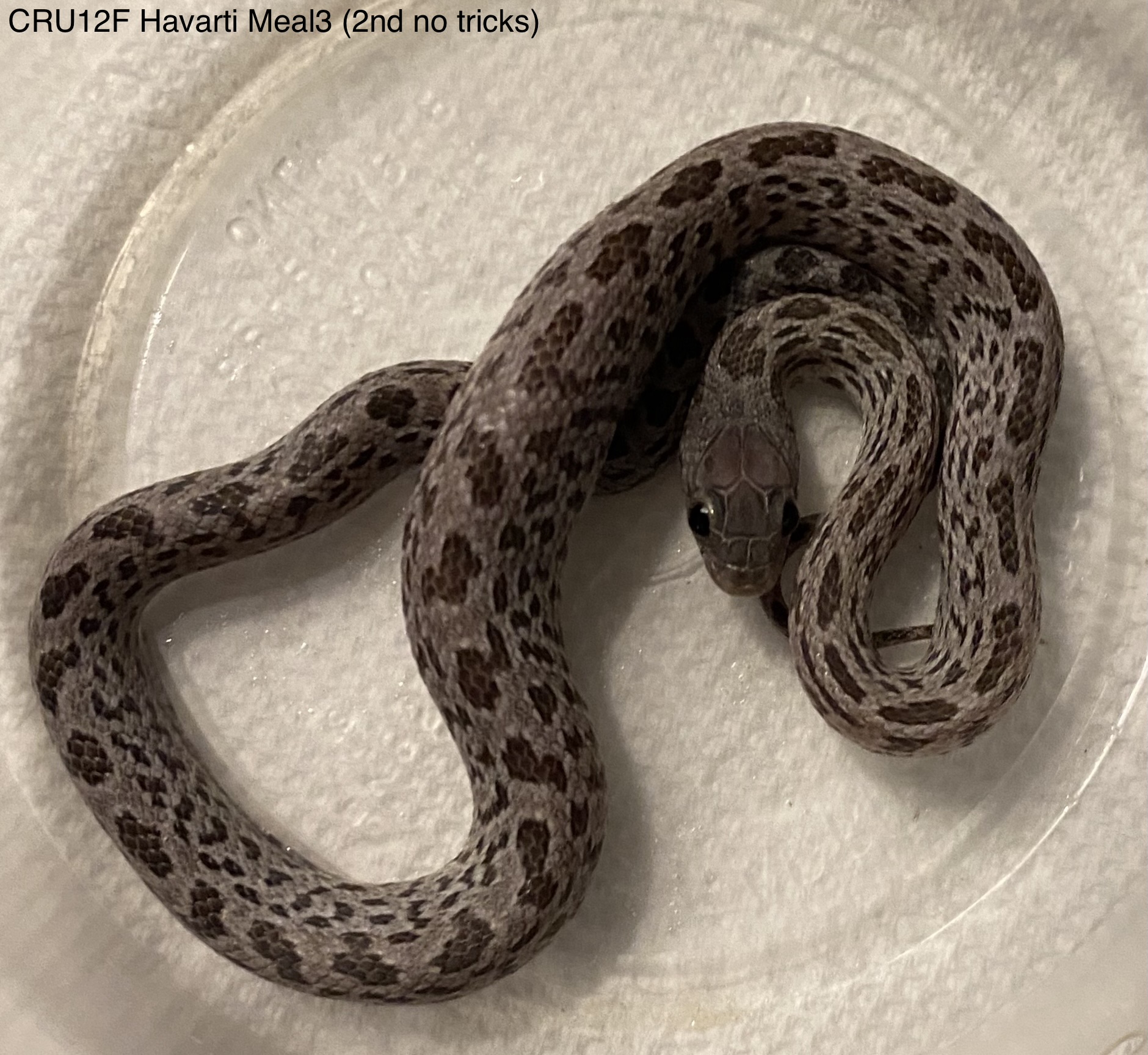
Batman is pretty dark, too. If it’s real I would say this guy is a contender. Especially his head. Here he is after his first voluntary meal, no tricks (sorry the lighting stinks):
8 Likes
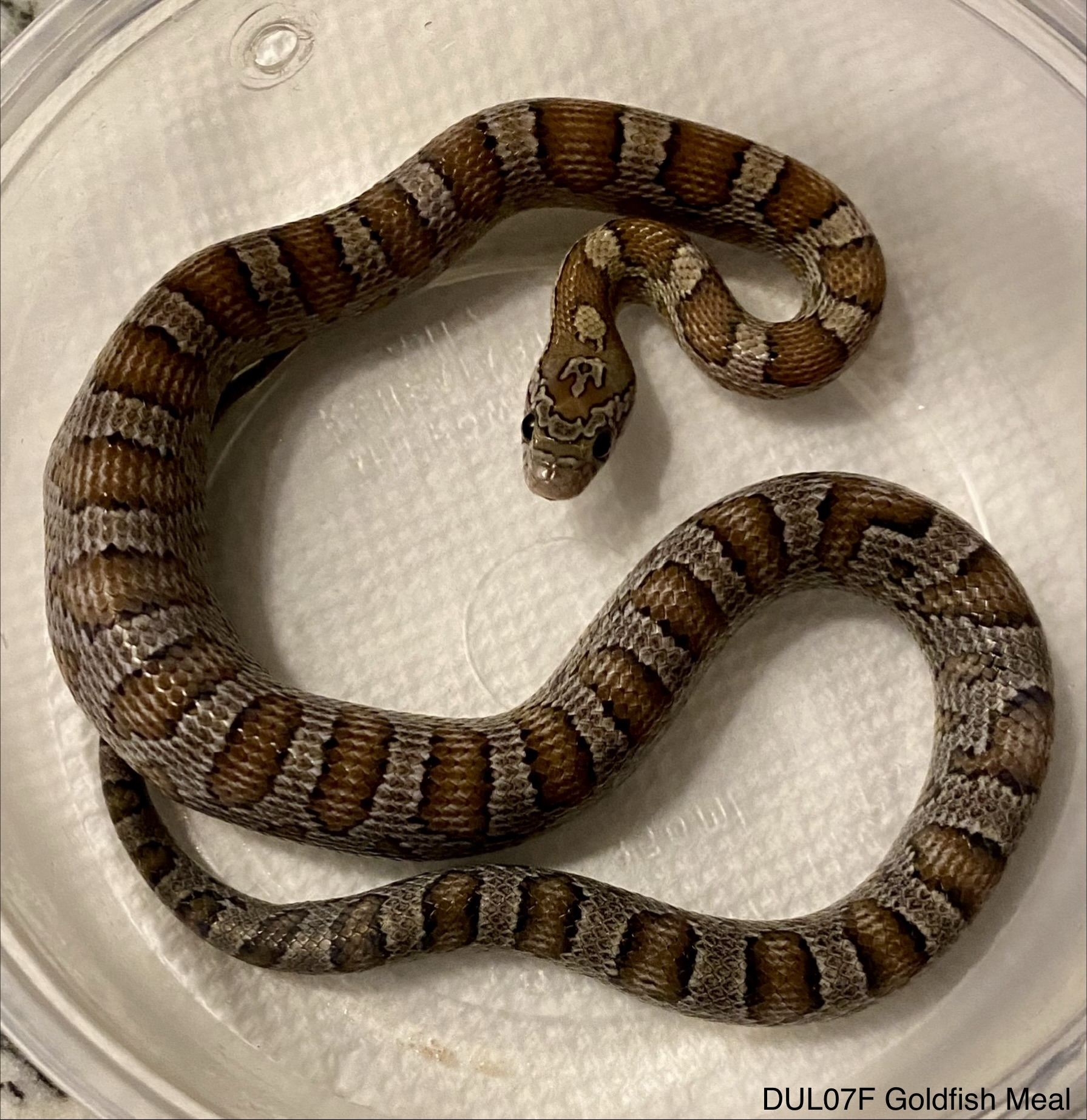
Definitely a candidate! And DF isn’t visible right away or after first shed. I don’t know how many sheds it takes to see it because I’ve only really recently started paying attention to it. I’m guessing the corn needs to be 5-6mo and more than ~15g before it’s really noticable.
7 Likes
Then Batman (formerly Cheezit) has a little growing to do before we can really decide. Thanks to his slow eating start, he is still a bit on the smaller-than-15-grams side of things, even if he is 5-6 months old. I’ll guess we’ll see!
3 Likes
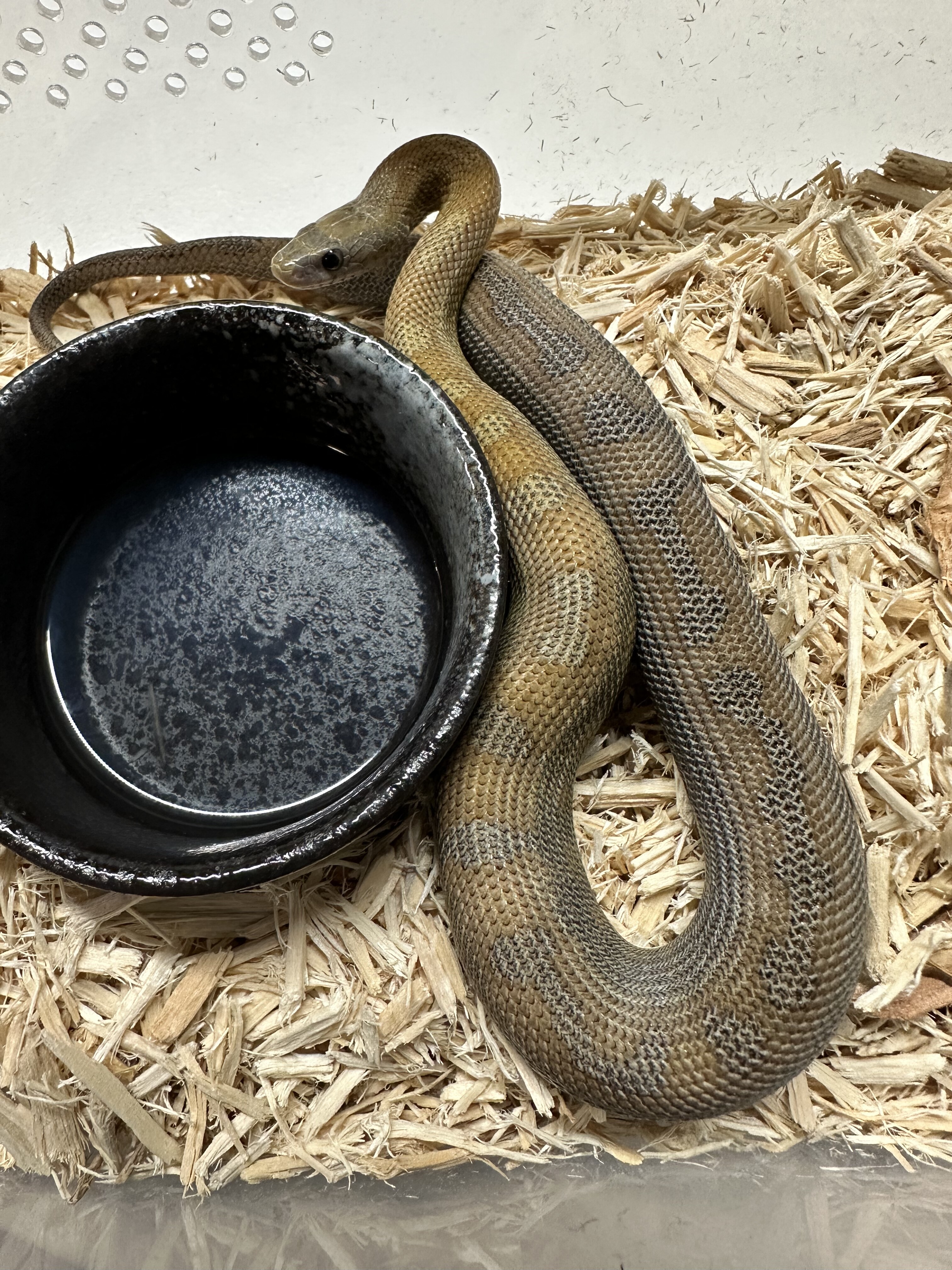
This girl is probably the strongest evidence for Dark Factor in this family. She’s a ‘24 Bantam Caramel Irregular-Stripe het Shatter I sent to my friend Mikelle at Serpentine Works. This is her pic. Clearly something going on.
8 Likes
Probably a very dumb question, but do you think bantam itself could cause the darker coloring due to pigment cells being smushed into a smaller frame and thus potentially more concentrated?
7 Likes
Hopefully it’s not too dumb, because that was pretty much what I thought originally! It does explain differences like scale shape.
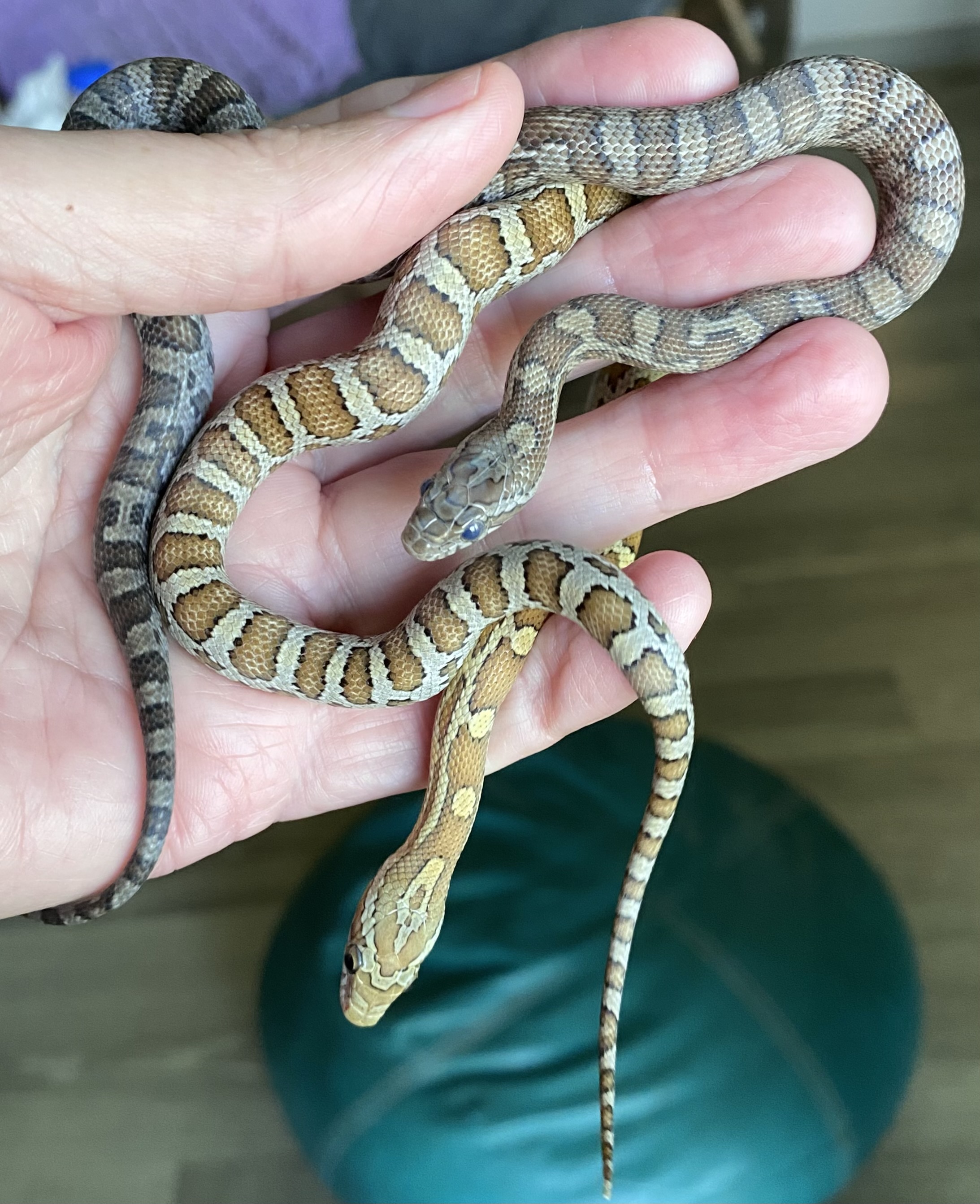
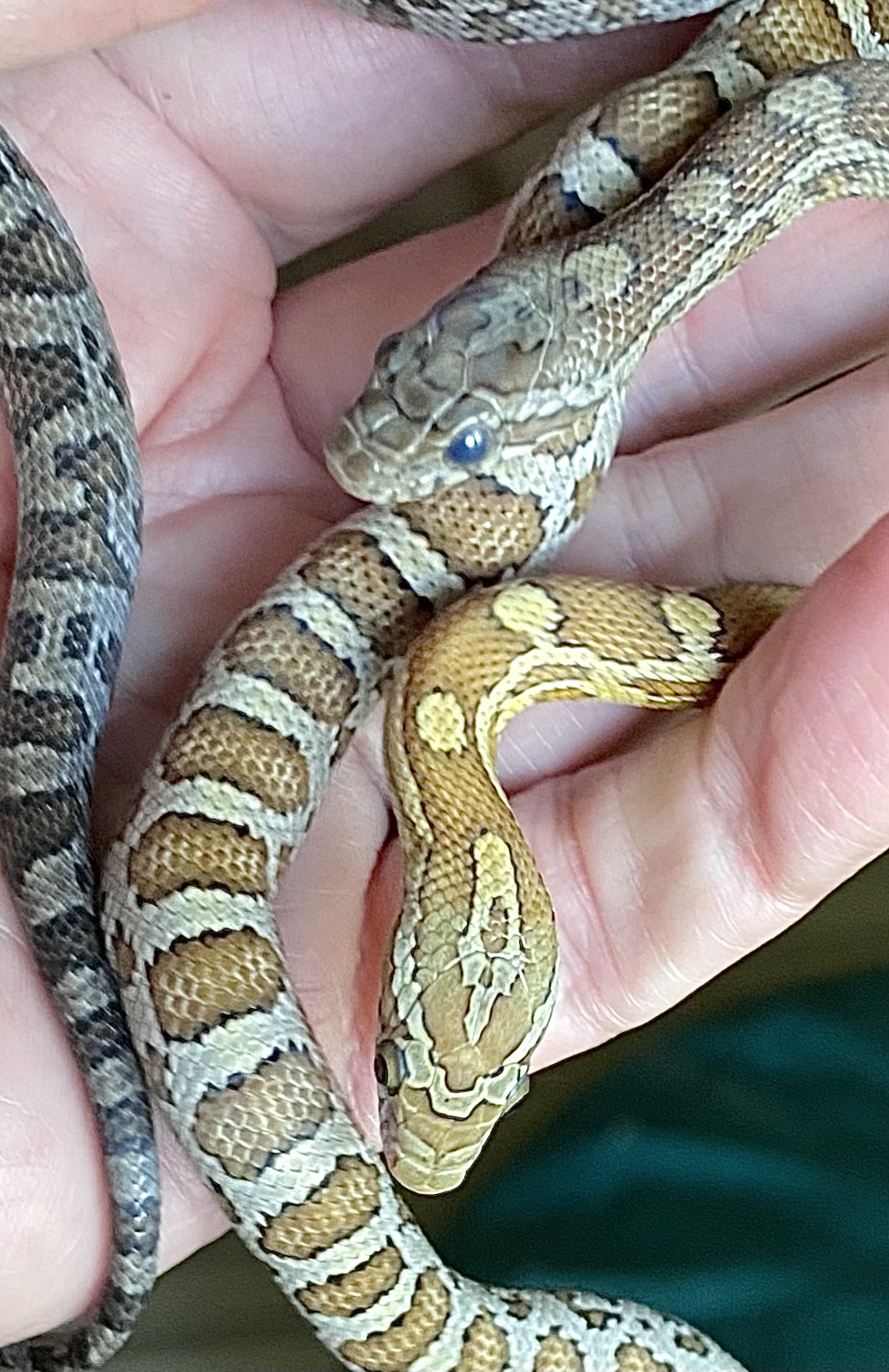
But no, MOST of the Bantams are not “Dark Factor” candidates. Here are two female Bantam Caramel female cousins of the same weight. Too bad the suspected DF one is in blue, but I think some questions are still answered. Another variable is the darker one is almost certainly het Cinder while the yellower one is unlikely to be.
6 Likes
How interesting to have another mystery on your hands! (And phew, I had a good question, yaay!  )
)
6 Likes
I think that’s an excellent question, @cmills, and an excellent theory @deanii. It makes sense to me that whatever coloring they’ve got can appear different since the pigment cells are more compressed. There is a lot of natural variation, in every single color of corns. Some are brighter some darker, some more or less saturated, so it also makes sense that not all of the individuals will be darker.
Corns surely do keep things interesting.
4 Likes
There was a darker Caramel one in F1 that I chalked up to variation. And there were Caramel Cinders and Shatters that were so dark, that I didn’t bother to think something else might be going on. And I sold most. But it seems like there are more in F2. BUT there’s also somewhat more phenotype variation in F2, almost counterintuitively.
4 Likes
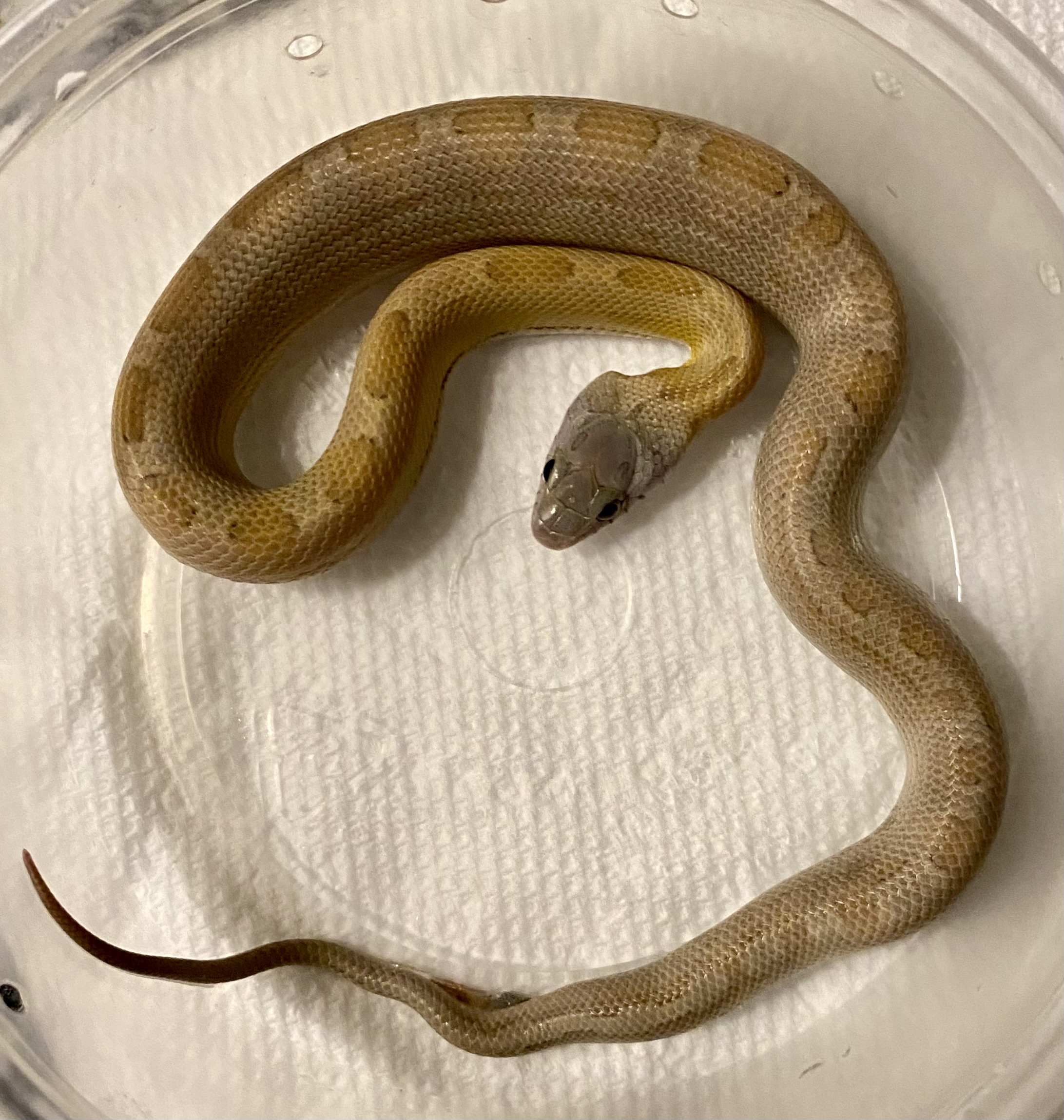
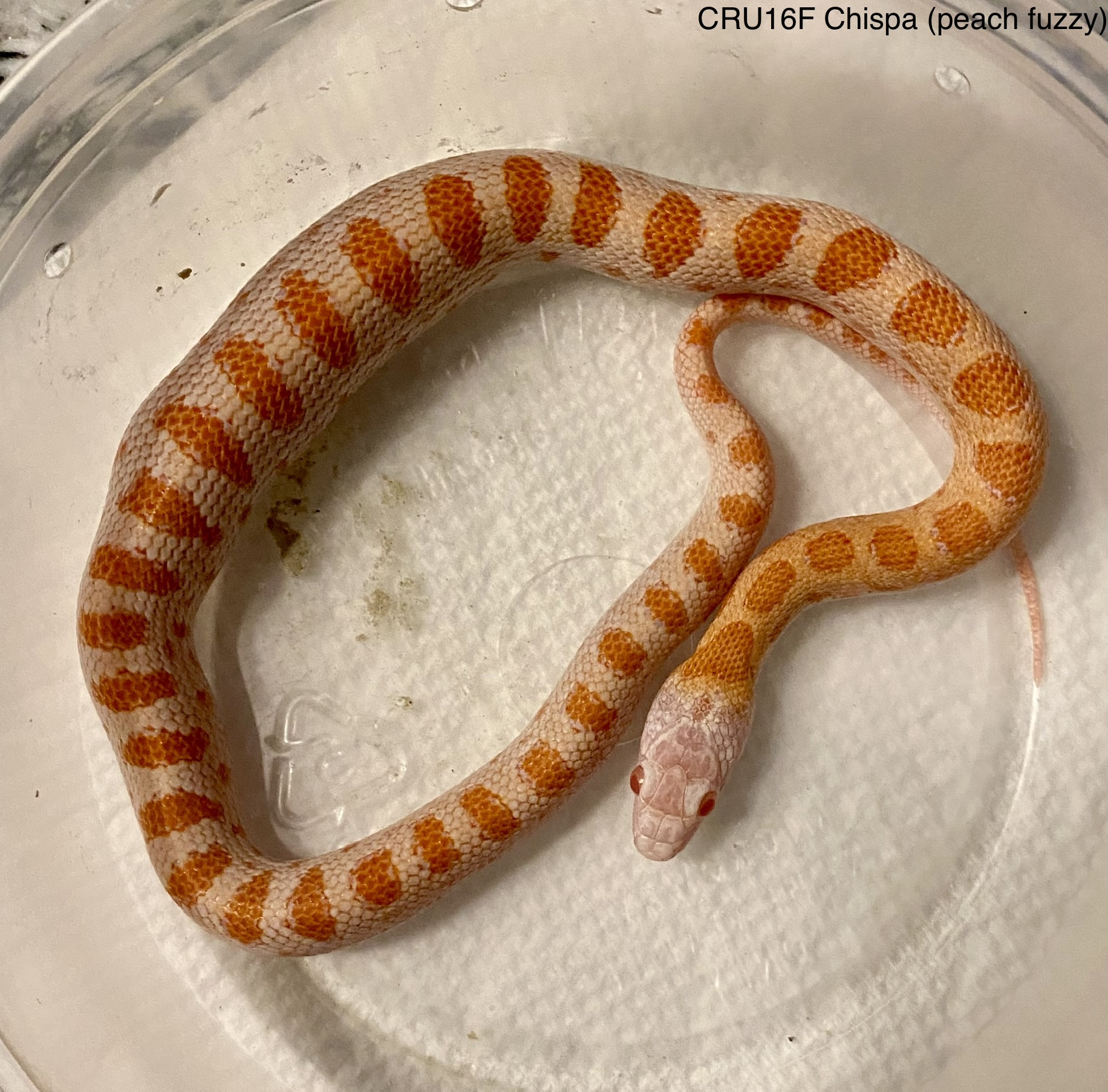
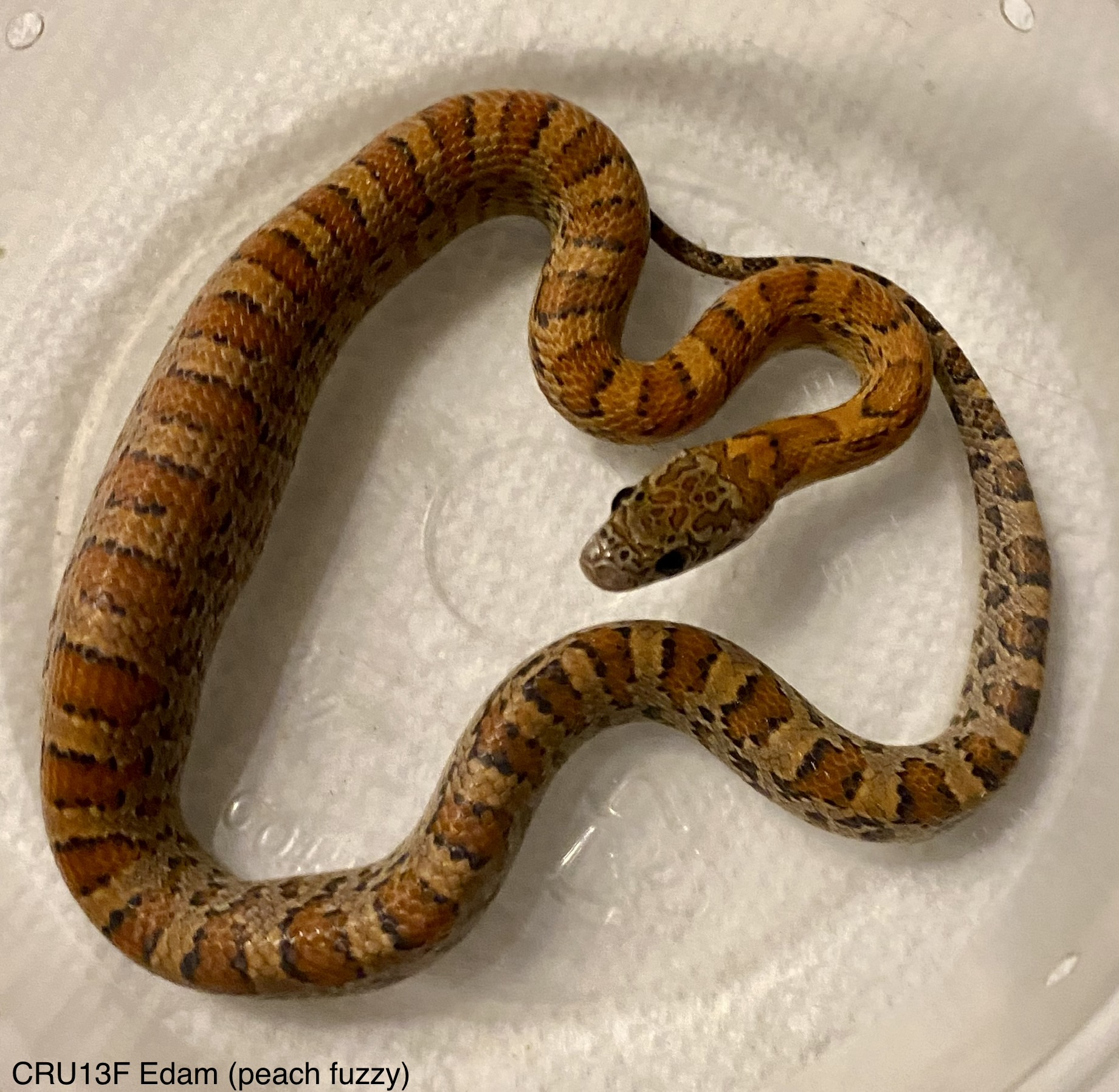
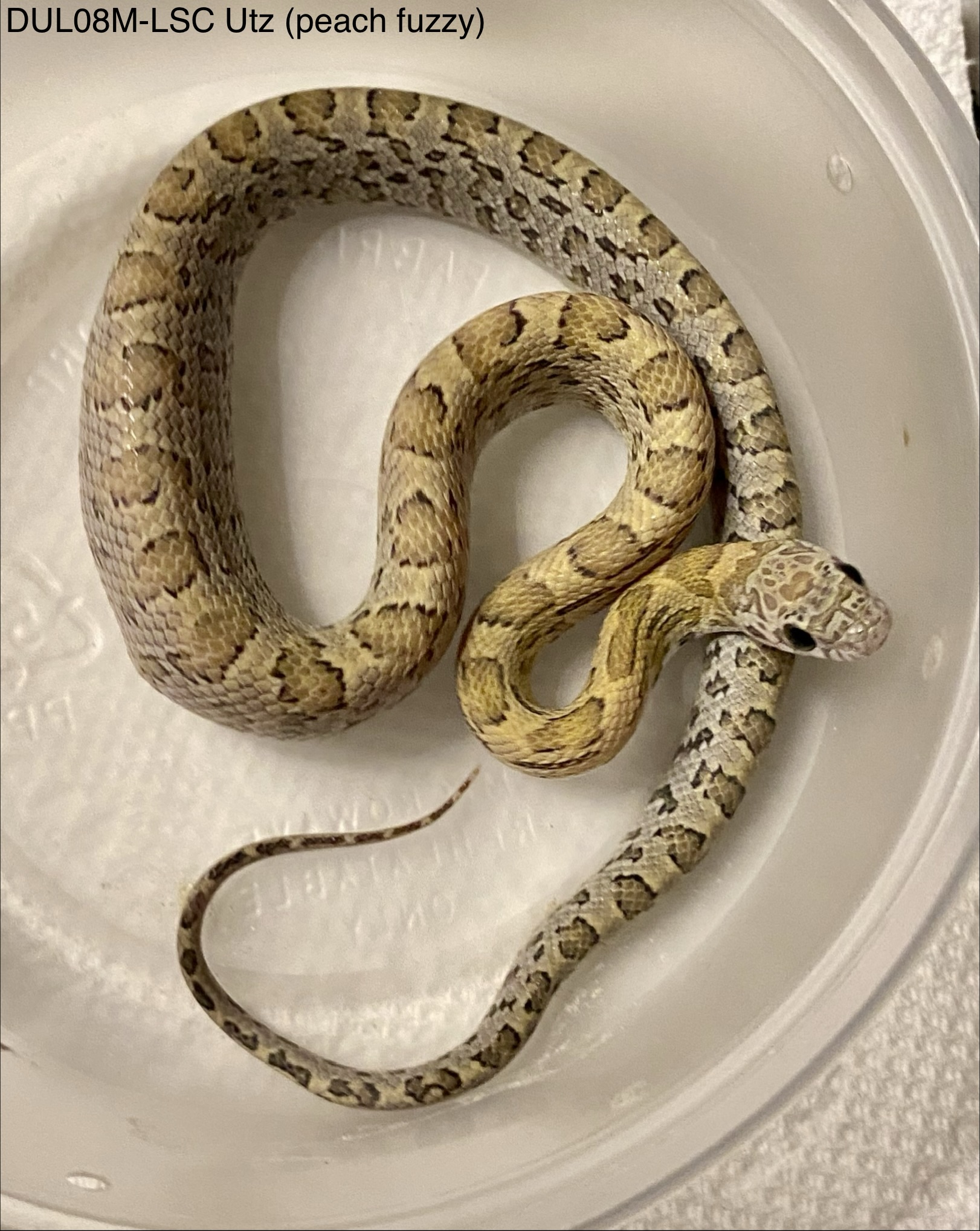
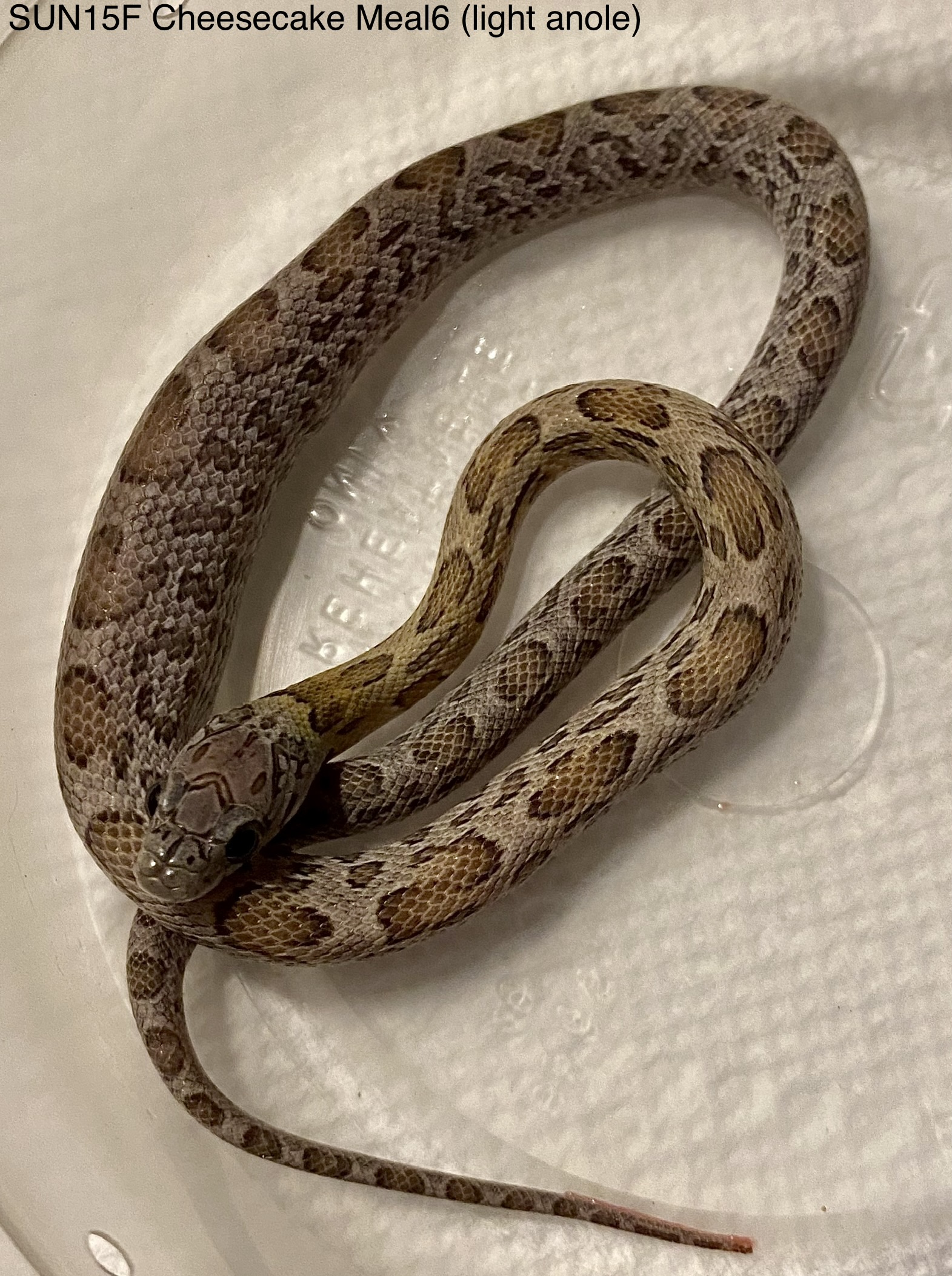
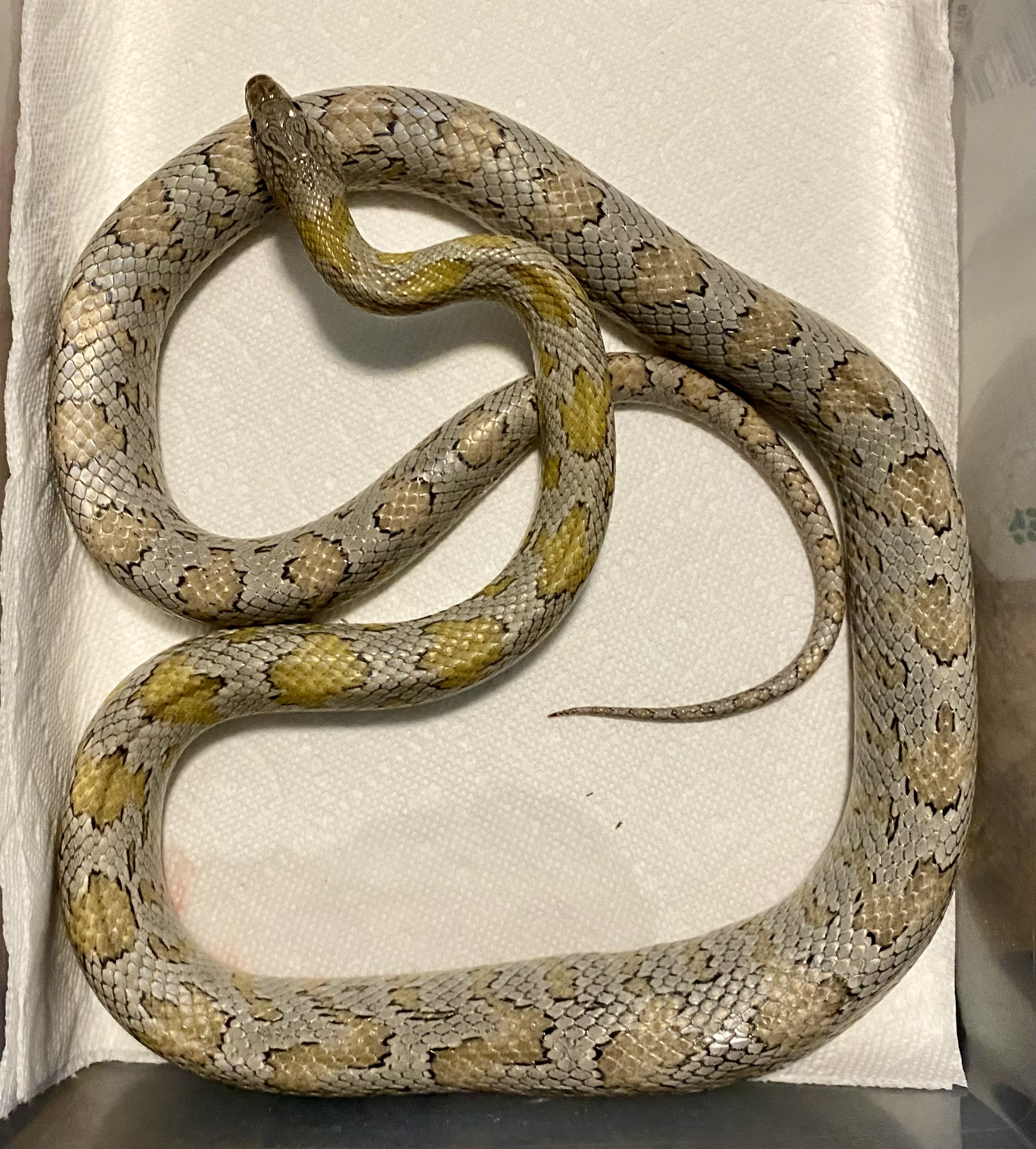
Are any of these spoken for?
4 Likes
1 and 2 are holdbacks and number 5 is spoken for. And grandma is staying. The others have to go.
5 Likes
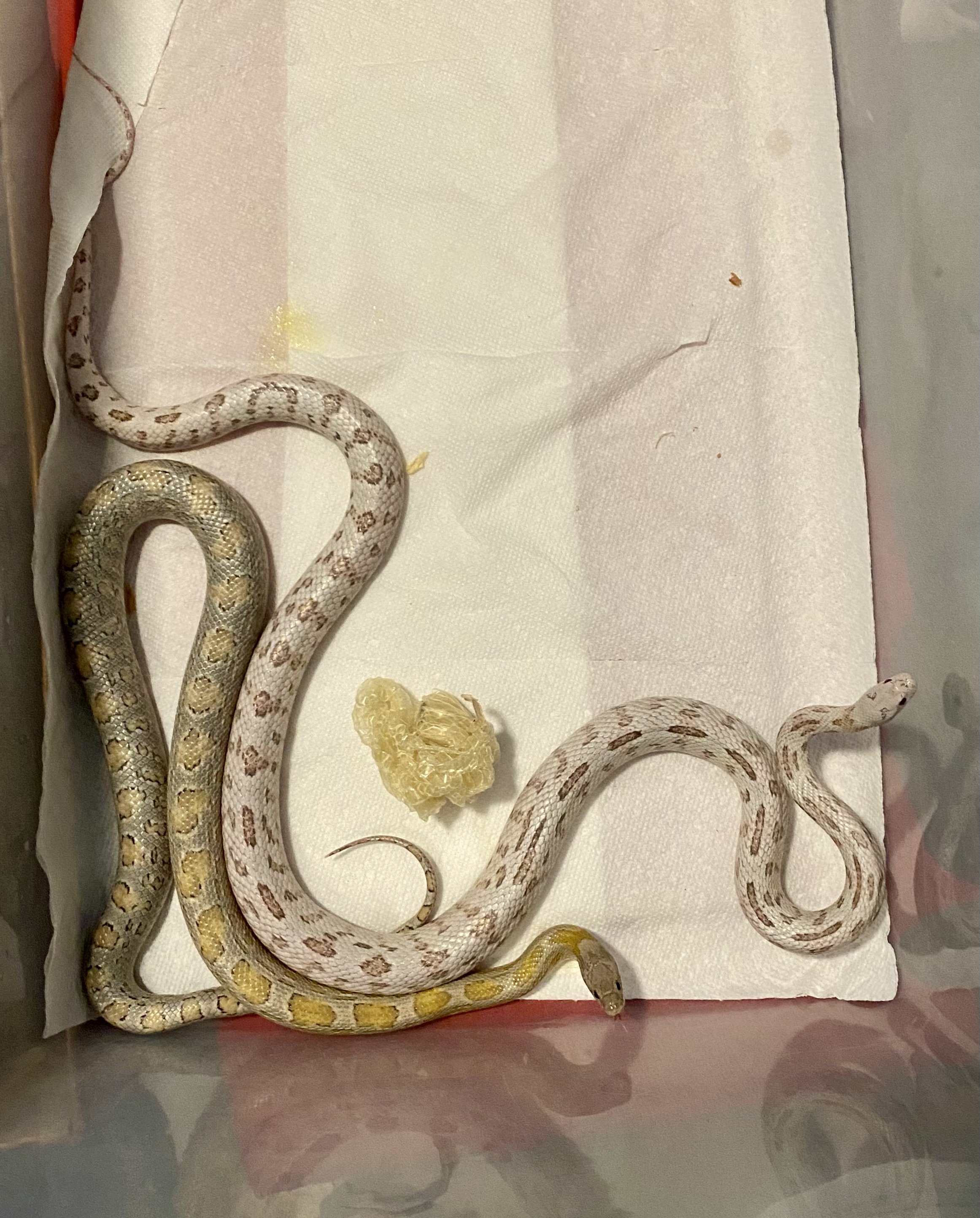
First evidenced session of the season. Outcross clutch. Lava Shatter female (Ocarina) x Bantam Honey het Shatter (Castillo).
7 Likes
Woohoo! Love is in the air! Congrats to you and the happy couple!!! 


4 Likes
Thanks! I’m only doing three clutches this season.
4 Likes
Me thinks that’s a great idea!!!
4 Likes
Go Ocarina!!! Lava bantams just a couple generations around the corner!
5 Likes
And Bantam Topaz. They had their second evidenced session last night. Timing is good because his second assignment isn’t ready yet. The Bantam family females are usually a little late.
5 Likes
Oh yes, of course topaz! I’ve seen a small resurgence of those lately.
4 Likes