As my title states we have a pastel banana leopard het clown that we purchased at a local reptile show in February 2026. Between February and when we first noticed any issues in the middle of June he would take meals most of the time but he did skip a couple usually around time for shedding. When we first noticed anything he had missed a meal June 21st once again we thought he was just in shed so we didn’t stress too much about it.. Opened up his enclosure a couple times and never found a shed so thought he just needed a little more time especially since he was still in his humidity hide like our snakes like to do. When we were feeding our other snakes we looked in on him once again and he barely had a reaction to us being in his enclosure. That’s when we figured out something must be wrong. We took him out of his humidity hide and he was just simply limp. We could tell he was still alive because his muscles rippled under our touch, but he just hung there. Didn’t wrap around my wrist or anything like he used to when we would interact with him previously. So we knew right away something was wrong. Tried calling around to different vets to see if they would accept reptiles and finally found one 45 minutes away from us. But at that point it didn’t matter to us because we just wanted to find out what was wrong with him. We were not able to get into them right away had to wait a couple weeks. Finally had our appointment and the vet acted like he had no idea what could possibly be wrong with him. Said that we could do a swab and send it off to a lab but that it wouldn’t be conclusive as to what was going on. Said it was presenting like the wobble trait because he corkscrews, but he does right himself eventually. Also said that it could just be a respiratory infection. So he showed us how to give an injection and sent us home with 7 more. Told us to call back in once the injections were completed and then he would determine if we should bring him back in. So we did the injections as instructed and called back in to the office stating that there may be some improvement, but we couldn’t say definitely. We also reminded him that he hadn’t taken a meal since June 14th. So he suggested we bring him back in for an overnight stay for a tube feeding. So we did that. Went the next day to pick him up and he seemed worse than when we dropped him off. The vet basically told us there was nothing else he could do for him and that hopefully things would get better over time…well here we are in November and somehow he is still alive, but no better. He barely moves, when he does it seems very stiff, he does not take a meal on his own we have force fed him multiple times since our vet visit and we are soaking him in the hopes that he absorbs enough fluids that way since he doesn’t seem to drink on his own. He has since shed twice. Both having to be assisted doesn’t move around enough to shed out entirely on his own. He has not had a bowel movement or any urine out put on his own. What has happened is from assistance. His last urine out put was extremely orange which is indicative of dehydration and kidney failure, but some how he still holds on. How do we know when to say it would be best if he just passed on. Our vet doesn’t seem very knowledgeable about reptiles even though they say they care for reptiles. Which he had helped us in the past with one of our tortoises. But we are just at a complete loss as to what to do. Do we continue doing what we are doing and hoping for the best or do we just assume after all this time he won’t ever get better and find someone to help us put him down kindly. We would just really like to know what is wrong, we have him separated away from our other animals and none of the others are showing any signs of issues. Has anyone ever heard of anything like this or have experience with it yourself that you could maybe help guide us in what we should be doing. We hate to think of him as suffering put he does hold on. When we feed or soak him he does tongue flick some, but I can’t say it’s as much as our other ones do.
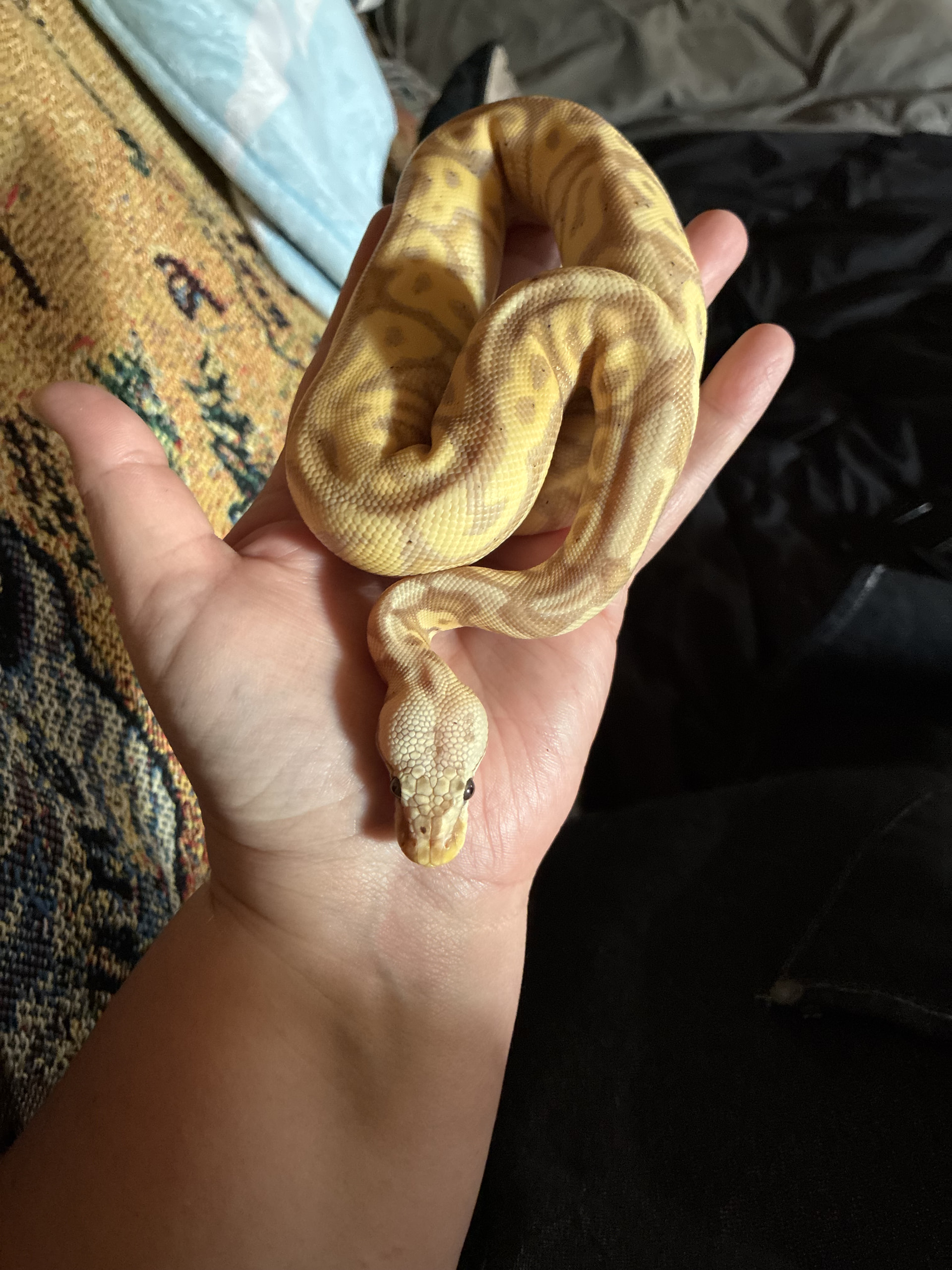
You’re going to be asked about parameters ( numbers, not evaluations) and enclosure details, so posting that asap would help with troubleshooting.
That ‘limp, won’t eat’ description can be the case in cryptosporidium infections. I sure hope it isn’t that since it sounds like you didn’t QT. Until crypto has been ruled out it would be wise to take biosecurity measures as if it is crypto.
Since you didn’t QT it would be prudent to plan for a necropsy to know what transmissible pathogens might have gotten into your collection.
I’m going to kindly suggest that you have him humanely euthanized as soon as possible and have a necropsy done. I am of the opinion that he is past the point of no return.
We had kept him away from our other animals when we first got him and then as soon as we realized something was wrong we did once again move him into a completely different room. We had him in a rack system previously 36”x18” with cypress mulch, 88% humidity temperature ranges 77-90.5. So I guess I’m not sure how you can say he hadn’t been quarantined when we had initially and we have him separate now also. What other numbers are you wanting?
88% humidity is way too high. Optimal humidity is 50 to 60% ……
Having him in the same room at first is not a QT. Having him in a completely different room/location and not sharing any tools or accessories is needed to be a QT
Perhaps the snake had already cleared QT (whatever counts as ‘cleared QT’ for you) when the symptoms started. But this is the passage that I had in mind:
Dealing with QTed animals isn’t something that’s done in the middle of working with other animals, but rather is something that’s done after dealing with other animals and before a shower.
Again, maybe he had cleared QT before that point. But then the concern is that the QT didn’t catch whatever this is, and the point about biosecurity and testing still stands. I wasn’t scolding for anything in the past, I was reasoning through what would prudently be done at this point.
You might list what other herps you have, to see if anyone can see a link in possible pathogens that the BP might have picked up after you got him.
When we first got him he was also in a separate room. And he is now back in that separate room. The humidity is what the breeder we purchased from said to keep the hide at so that’s what we did.
That’s what we did. And are now doing again
I’m really, really sorry… he needs to be given kindness and be put down. If he can’t even pass waste on his own because of the condition he is in its in his best interest to not let him suffer any longer.
I know thats not what you want to hear but it is for the best 
Sudden refusal to eat, and extreme lethargy definitely sounds like a pathogen, likely Cryptosporidium as @socraticmonologue has already mentioned. He could have picked it up from anywhere, from his previous living quarters, from the reptile expo, or from your other animals that could potentially be asymptomatic.
When he is euthanized I heavily reccomend getting a necropsy and pathogen screening done, if it is something like Cryptosporidium you’ll need to know for the sake of the rest of your collection.
How long was he kept in a separate room originally? I go for 90 days before any new reptiles are even considered ready to move.
Most breeders recommend 90 days and some won’t consider it until they pass multiple lab checks.
Regardless…
I would look into testing for crypto for the safety of your other animals. The downside is you can get a negative result if they aren’t shedding the virus at that moment
This is true of course. It is worth noting that a necropsy should detect it easily.
At that time yes he had cleared the quarantine that we were told to do. And since at that time we didn’t realize something was immediately wrong (thought was just refusing food due to shed he was with the others) but as soon as we realized he was not ok we took measures and moved him back out of that room into his own room entirely once again that same moment
For now, you need to practice extreme caution with the rest of your animals. Keep very strict biosecurity measures and sanitize anything any time you come into contact with your other reptiles. If you even slightly suspect any other animals are becoming ill seperate them into a different part of the house ASAP.
Watch your other reptiles closely and tend to the ill BP last, and shower, change clothes and wash them immediately after.
These pathogens can be carried by flying insects so make sure there are no flies or gnats of any kind entering/exiting your enclosures. Keep an air filter running in your animal room to reduce airborne dust particles, since they can potentially carry pathogens as well. Clean surfaces in your animal room often.
Unfortunately if you do get a positive result Cryptosporidium test you will need to test all of your other reptiles randomly and frequently since you can get false negatives.
Any animal that comes back positive will need to be euthanized as there is no cure and asymptomatic animals will continue to shed the pathogen indefinitely.
We purchased him in February. Moved him into the room with the others at the very beginning of June… which was after the 90 days. It was June 21st when we realized something was wrong.
I’m sorry you’re having to go through this.
It can be extremely difficult to figure out these little guys sometimes. And there are still things like crypto to worry about.
With everything above I agree that euthanasia and a laboratory performed necropsy would be the best for your little one.
It sucks, but if they’re so lethargic that you need to help them shed and you don’t know if they can drink without assistance, that’s basically hospice as is. Letting them go is hard, but sometimes for the best.
Thank you all for your input it is very much appreciated. I will pass the message on to my other half when he gets off work and we will go from there. Hopefully finding someone willing to do that for us. The vet we had taken him to never once suggested putting him down and therefore I’m not sure that he will. He just seemed to not really care. Hopefully who we find will know where to get the testing done. Once again thank you.
@mustangcowgirlcornsnakes So I know you said that you were instructed to keep him in an extremely high humidity environment (88%) by the breeder so I’m wondering if he possibly has an RI
@socraticmonologue @cmsreptiles @armiyana
Any thoughts???
Edit to add: And I too am very sorry you are going through this difficult situation @mustangcowgirlcornsnakes 


Vet had given us a round of meds for respiratory. Had slight improvement once treatment was done. But then we took him back to the vet for an overnight tube feed and he came back worse than when we took him in. The humidity hide was the only area that was 88% the rest of the enclosure was around 60-65%
Possibly. Sounds like the vet prescribed a shotgun treatment, though if there’s a viral component this may not be enough to help. This observation suggests a viral component:
Given the timeline, if there is a virus in play it could have been picked up from other asymptomatic animals in the collection, which is why I thought that listing those species might give a clue (not that I’m exactly the person to troubleshoot python viruses).